Introduction
Driving sales in retail today is no longer about discounts alone. With rising competition, high rentals, and digitally aware customers, retailers must focus on experience, efficiency, and execution to increase sales consistently.
From store design and layout to visual merchandising and staff behaviour, every touchpoint inside a retail store influences buying decisions. Based on real-world retail execution experience, this article explains practical and proven ways to drive sales in retail, especially for physical stores, showrooms, and mall outlets.
1. Design Your Store Around the Customer Journey
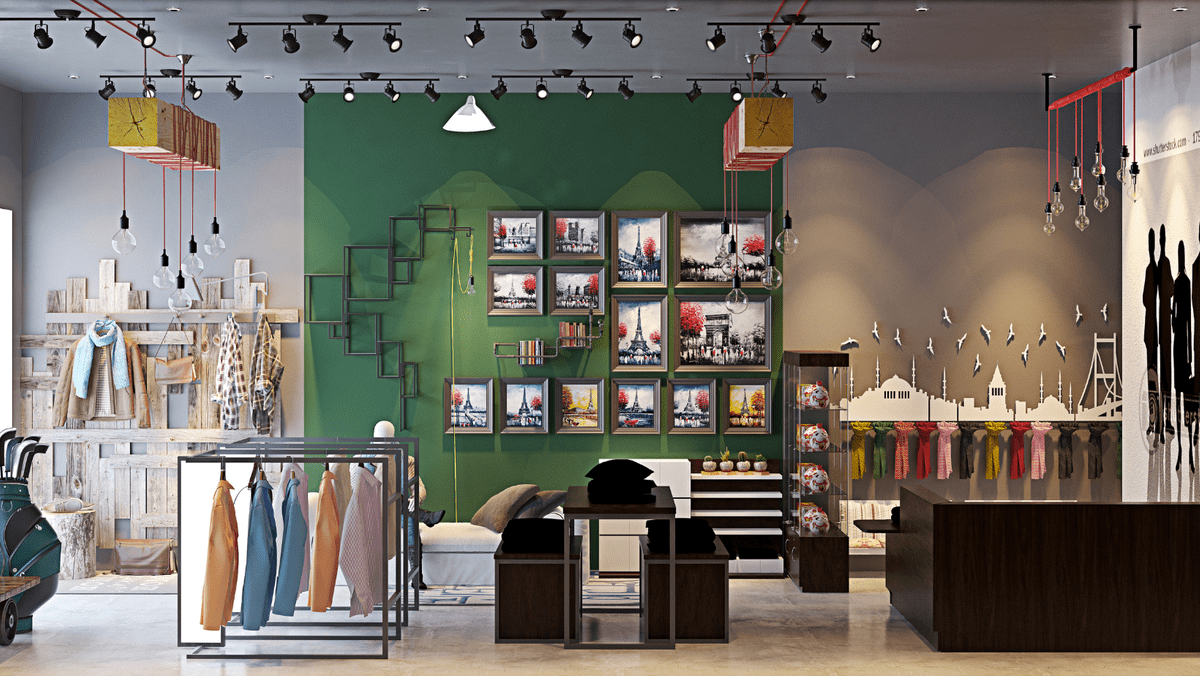
One of the most effective ways to drive sales in retail is by designing the store around how customers actually move and shop, not how products are grouped internally.
Why it matters
Customers decide within the first 5–7 seconds whether to explore or exit a store.
What works
Clear entry zone with strong visual impact
Logical product flow from entry to billing
High-margin products placed in high-visibility zones
Comfortable aisle widths for easy movement
A well-planned store layout improves dwell time, which directly increases conversion.
2. Invest in Professional Store Design & Retail Fitout
Retail sales are deeply connected to how the store looks and feels. Poor lighting, cluttered fixtures, and weak finishing subconsciously reduce customer trust.
Sales impact of good fitout
Products look more premium
Customers feel confident to buy
Brand perception improves
Fewer objections at billing
Professional retail fitout ensures lighting, materials, fixtures, and layout work together to support sales, not distract from them.
3. Use Visual Merchandising to Tell a Story
Visual merchandising is not decoration—it is silent selling.
High-performing VM practices
Fewer products, better presentation
Clear hero displays
Thematic grouping (collections, offers, occasions)
Eye-level placement for best sellers
When customers understand the story quickly, decision-making becomes easier, leading to higher sales.
4. Improve Lighting to Increase Product Appeal
Lighting directly affects how products are perceived.
Common mistakes
Flat lighting across the store
Dark corners
Harsh white lights on apparel
Sales-driven lighting strategy
Accent lighting on key products
Warm lighting for fashion & lifestyle
Neutral lighting for electronics
Bright, focused lighting near billing
Good lighting can increase product attention by 30% or more.
5. Train Staff to Sell, Not Just Assist
Even the best store design fails if staff are not trained to convert interest into sales.
What high-performing retail staff do
Greet customers confidently
Ask the right discovery questions
Suggest complementary products
Handle objections calmly
Close without pressure
Well-trained staff can increase average bill value (ABV) significantly.
6. Create a Strong First Impression (Window & Entry Zone)
Your storefront and entry zone decide whether customers walk in or walk past.
Effective entry strategies
Clean, uncluttered windows
Clear branding and messaging
Highlight new arrivals or best sellers
Seasonal storytelling
Retailers often underestimate this zone, but it is one of the highest ROI sales drivers.
7. Optimise Product Placement & Category Zoning
Random product placement confuses customers and lowers conversion.
Best practices
Group products by use or category
Place fast-moving items deeper inside the store
Keep impulse products near billing
Use signage to guide customers
Good zoning reduces friction and increases basket size.
8. Use Technology to Enhance In-Store Experience
Technology supports sales when used smartly—not when it overwhelms customers.
Retail tech that boosts sales
Digital screens for promotions
QR-based product information
Smart billing systems
CRM-linked offers for repeat customers
Technology helps personalise the experience, which improves repeat purchases.
9. Focus on Cleanliness, Comfort & Store Hygiene
Customers may not consciously notice cleanliness—but they always feel it.
Sales impact
Clean stores feel trustworthy
Comfortable temperatures increase browsing time
Organised shelves reduce hesitation
Retailers who maintain store hygiene consistently see higher walk-in to purchase ratios.
10. Reduce Decision Fatigue
Too many choices can reduce sales.
How to simplify decisions
Limit display quantity
Highlight “Recommended” or “Best Seller” tags
Curate collections instead of full catalogues
Simpler choices lead to faster buying decisions.
11. Run Smart In-Store Promotions
Discounts should be strategic, not habitual.
What works better than flat discounts
Limited-time offers
Bundle pricing
Add-on deals
Loyalty rewards
Smart promotions increase urgency without damaging brand value.
12. Collect Feedback and Act on It
Retailers who listen sell more.
Easy feedback methods
Staff interactions
Short QR-based surveys
Simple “What can we improve?” conversations
Feedback helps improve layout, product mix, and service quality.
13. Ensure Fast, Hassle-Free Billing
Long queues kill impulse buying.
Improve billing experience
Adequate billing counters
Fast POS systems
Clear pricing
Friendly closing interaction
The last impression strongly affects repeat visits.
14. Maintain Consistency Across Stores
For brands with multiple outlets, consistency builds trust.
Consistency areas
Store design
Product placement
Lighting
Staff behaviour
Brand messaging
Consistent experience leads to brand loyalty and higher lifetime value.
15. Partner With Retail Experts Who Understand Sales Psychology
Retail success is not accidental—it is designed.
Working with professionals who understand retail behaviour, store design, fitout execution, and customer psychology helps brands build stores that sell every day, not just look good on opening day.
How Sparrow Shopfits Helps Retailers Drive Sales
Sparrow Shopfits specialises in retail store design, showroom interiors, and turnkey fitout execution with a strong focus on sales performance.
What sets Sparrow Shopfits apart
Sales-oriented store planning
Retail-grade materials & lighting
Mall-compliant execution
Fast turnaround timelines
Experience across fashion, electronics, FMCG, jewellery & lifestyle retail
The goal is simple: build stores that convert footfall into revenue.
Final Thoughts
Driving sales in retail is a combination of strategy, design, execution, and people. When layout, lighting, merchandising, staff, and experience work together, sales improve naturally and sustainably.
Retailers who invest in professional store design and fitout see higher conversions, better brand perception, and stronger long-term growth.
Quick Answers
Q: What is the best way to increase sales in a retail store?
A: Improve store layout, visual merchandising, lighting, staff training, and customer experience.
Q: Does store design affect retail sales?
A: Yes. Store design directly impacts customer behaviour, dwell time, and buying decisions.
Q: How can small retail stores increase sales?
A: Focus on clean layouts, strong displays, trained staff, and clear product zoning.
Why Should We Hire a Store Fit-Out Company?
Opening or renovating a store looks simple—until execution begins. Delays,...
Read More
How to Optimise Retail Space for Increased Customer Engagement
How to Optimise Retail Space for Increased Customer Engagement Retail...
Read More
Top 5 Store Designers in India
Top 5 Store Designers in India India’s retail landscape is...
Read More
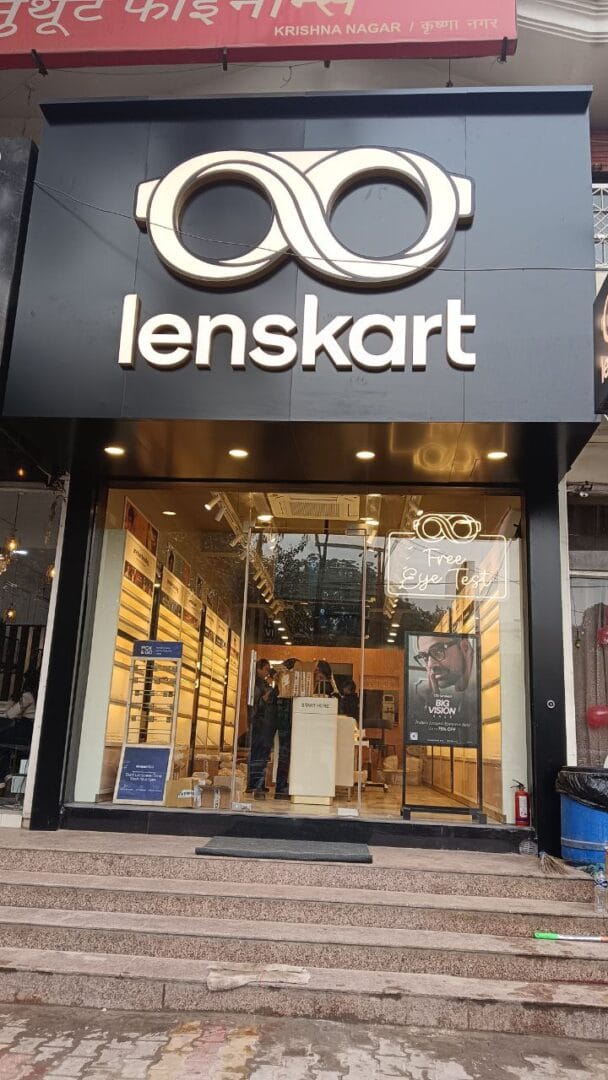
Lenskart – Krishnanagar Mathura
About the Project Lenskart – Krishnanagar Mathura Scope: Turnkey...
Read More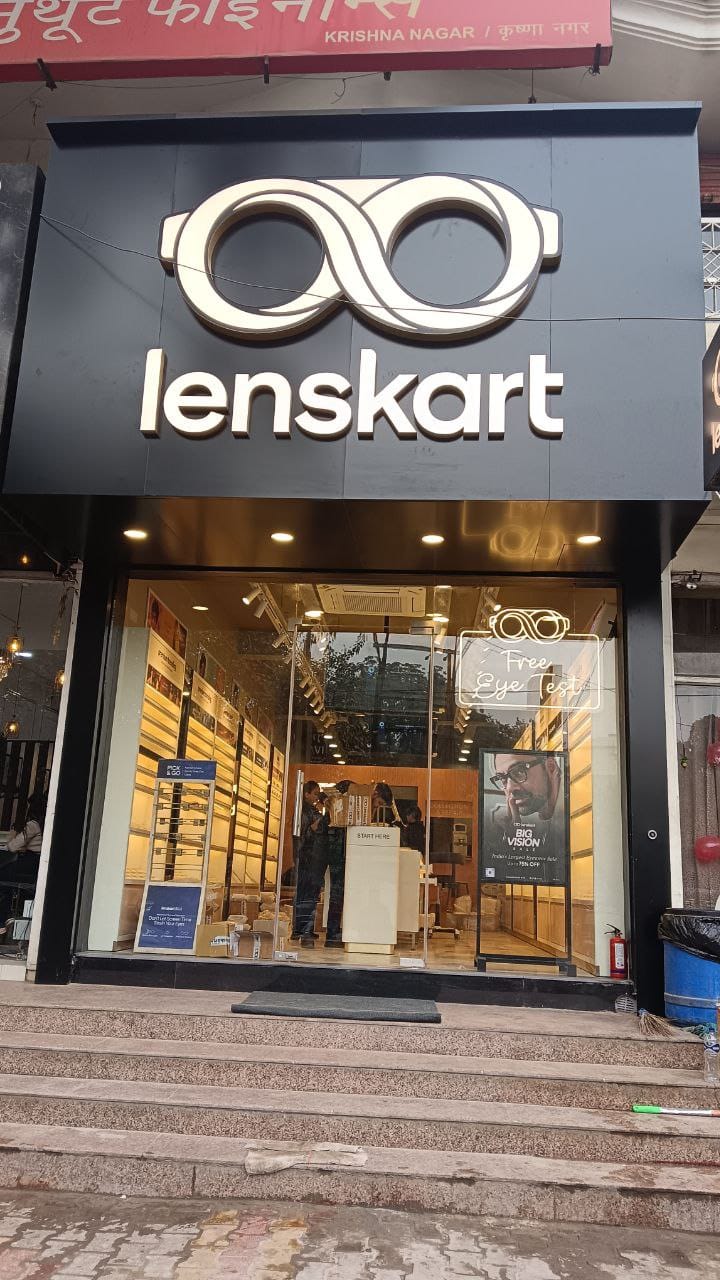
What Are Fitout Companies in the Retail Sector?
What Are Fitout Companies in the Retail Sector? Fitout companies...
Read More
How Lighting Design Impacts the Look, Feel, and Sales of Your Retail Store
How Lighting Design Impacts the Look, Feel, and Sales of...
Read More
How to Create a Future-Ready Retail Store with Smart Technology Integration
How to Create a Future-Ready Retail Store with Smart Technology...
Read More
Mistakes to Avoid While Designing a Retail Store
Mistakes to Avoid While Designing a Retail Store The ultimate...
Read More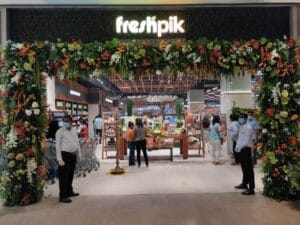
How Retail Design & Shopfitting Are Evolving in 2026 — What Brands Need to Watch
How Retail Design & Shopfitting Are Evolving in 2026 —...
Read More
Why Should We Hire a Store Fit-Out Company?
Opening or renovating a store looks simple—until execution begins. Delays,...
Read MoreHow to Optimise Retail Space for Increased Customer Engagement
How to Optimise Retail Space for Increased Customer Engagement Retail...
Read MoreTop 5 Store Designers in India
Top 5 Store Designers in India India’s retail landscape is...
Read More