Choosing the right retail location is one of the most important business decisions for any brand. Even the best store design and premium products may fail if the location does not support visibility, footfall, and long-term sustainability.
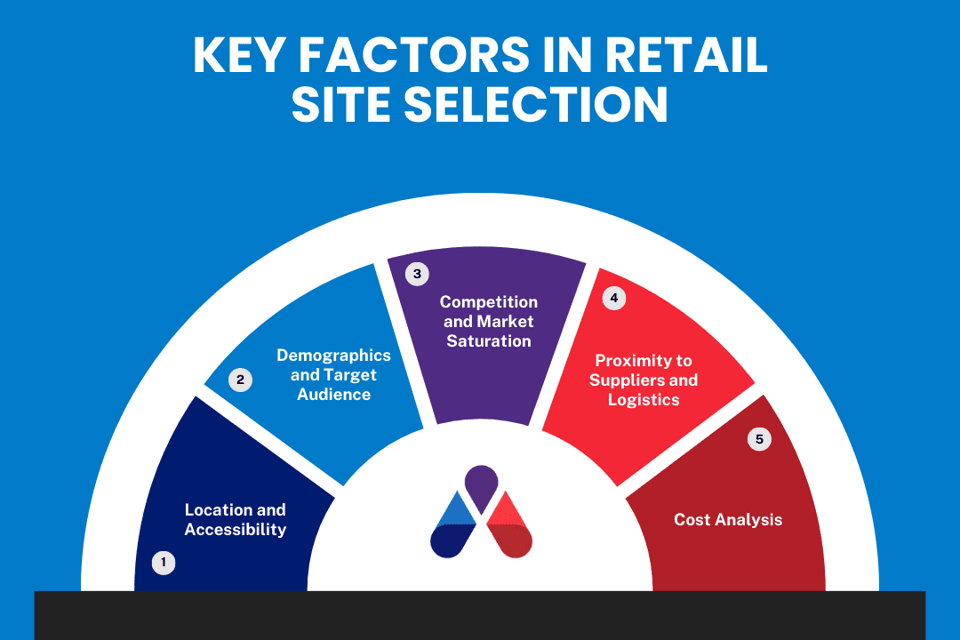
For retail stores, showrooms, and mall outlets in India, location selection directly impacts sales, brand recall, repeat visits, and profitability. Below are the 5 key factors in choosing the right retail location, explained in a practical and decision-oriented manner.
1. Quality of Footfall and Customer Intent
High footfall does not always mean high sales. What truly matters is whether the people walking past your store match your target customer profile.
What to evaluate
- Age group and income segment
- Shopping intent vs casual movement
- Average dwell time in the zone
- Conversion potential
Why this matters
A corridor with lower but relevant footfall often performs better than a crowded area with random visitors.
Key insight:
Always choose relevant footfall over heavy footfall.
2. Catchment Area and Local Demographics
The catchment area defines where your repeat customers will come from. This factor is critical for sustainable sales.
Key aspects to analyse
- Residential density within 3–5 km
- Office hubs, colleges, and commercial zones
- Lifestyle and spending habits
- Existing retail behaviour
Why it matters
A strong catchment supports repeat purchases, which are essential for stable retail revenue.
Key insight:
A location should bring returning customers, not just opening-day crowds.
3. Visibility, Frontage, and Accessibility
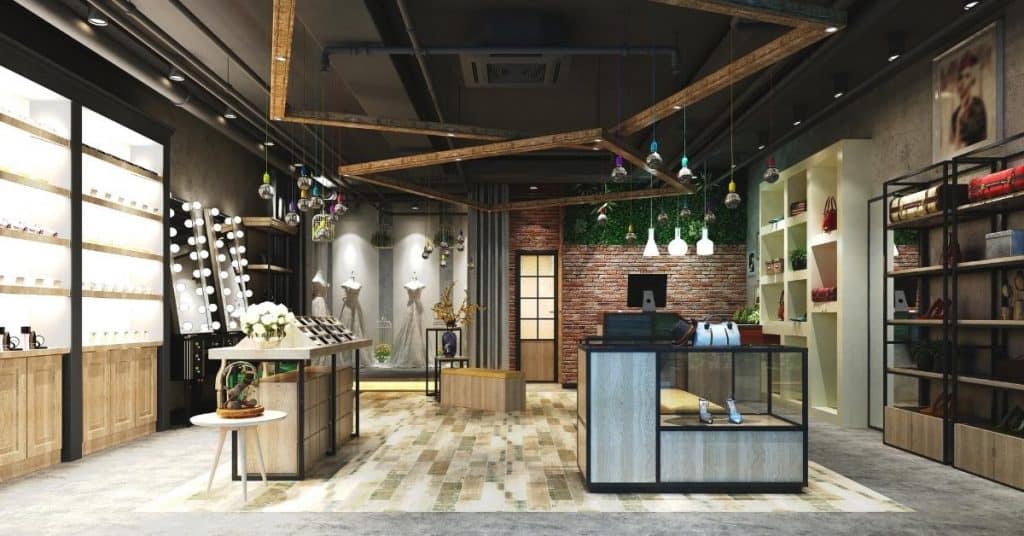
If customers cannot see your store easily, they are unlikely to enter it—regardless of brand strength.
Visibility checklist
- Clear line of sight from main walkways
- Adequate store frontage width
- No obstruction by pillars or service areas
- Facing anchor stores or junction points
Accessibility considerations
- Easy entry and exit
- Escalator or lift proximity (for upper floors)
- Convenient parking access
- Backend and delivery feasibility
Key insight:
Good visibility reduces marketing dependency and increases organic walk-ins.
4. Competition and Brand Adjacency
Competition is not always negative. The right surrounding brands can actually increase your store’s performance.
What to study
- Similar brands in the same price range
- Complementary categories nearby
- Oversaturation risks
- Anchor tenants driving traffic
Smart adjacency examples
- Fashion stores near apparel anchors
- Electronics near multiplexes
- Jewellery near premium lifestyle brands
Key insight:
Choose locations where neighbouring brands support your category, not dilute it.
5. Commercial Viability and Long-Term Feasibility
A location must make financial sense beyond the initial excitement.
Commercial factors to assess
- Rent-to-sales ratio
- CAM and maintenance charges
- Fitout cost based on site condition
- Lease tenure, escalation, and lock-in
Long-term considerations
- Mall management quality
- Maintenance standards
- Future competition entry
- Growth potential of the area
Key insight:
A good retail location should support profitability for years, not just visibility at launch.
Why Retail Location and Store Design Must Work Together
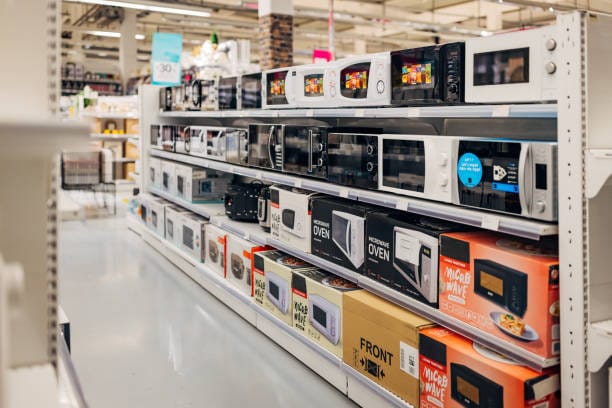
Location selection is only half the equation. The real success comes when location strategy is supported by professional store design and retail fitout execution.
Even a strong location needs:
- Correct layout planning
- Strong façade design
- Sales-oriented lighting and merchandising
- Mall-compliant yet brand-focused interiors
How Sparrow Shopfits Adds Value at the Location Stage
Sparrow Shopfits supports brands not just in execution but also in evaluating how a location can perform once built.
Support includes
- Location feasibility from a retail execution perspective
- Layout planning based on site constraints
- Visibility-focused façade design
- Mall guideline coordination
- Turnkey retail fitout execution
The objective is simple: convert the chosen location into a high-performing retail store.
Quick Answers
What is the most important factor in choosing a retail location?
Target-relevant footfall and strong visibility.
Is high footfall always beneficial for retail stores?
No. Relevant and intentional footfall converts better than random crowds.
What is an ideal retail catchment area?
Typically 3–5 km for daily retail; larger for destination stores.
Final Thoughts
Choosing the right retail location is a strategic business decision that directly affects sales, brand visibility, and long-term success. When footfall quality, catchment strength, visibility, competition, and commercial viability align, a store gains a strong natural advantage.
Pairing the right location with professional retail store design and turnkey fitout ensures that advantage turns into consistent revenue and brand growth.
Why Should We Hire a Store Fit-Out Company?
Opening or renovating a store looks simple—until execution begins. Delays,...
Read More
How to Optimise Retail Space for Increased Customer Engagement
How to Optimise Retail Space for Increased Customer Engagement Retail...
Read More

Top 5 Store Designers in India
Top 5 Store Designers in India India’s retail landscape is...
Read More
Lenskart – Krishnanagar Mathura
About the Project Lenskart – Krishnanagar Mathura Scope: Turnkey...
Read More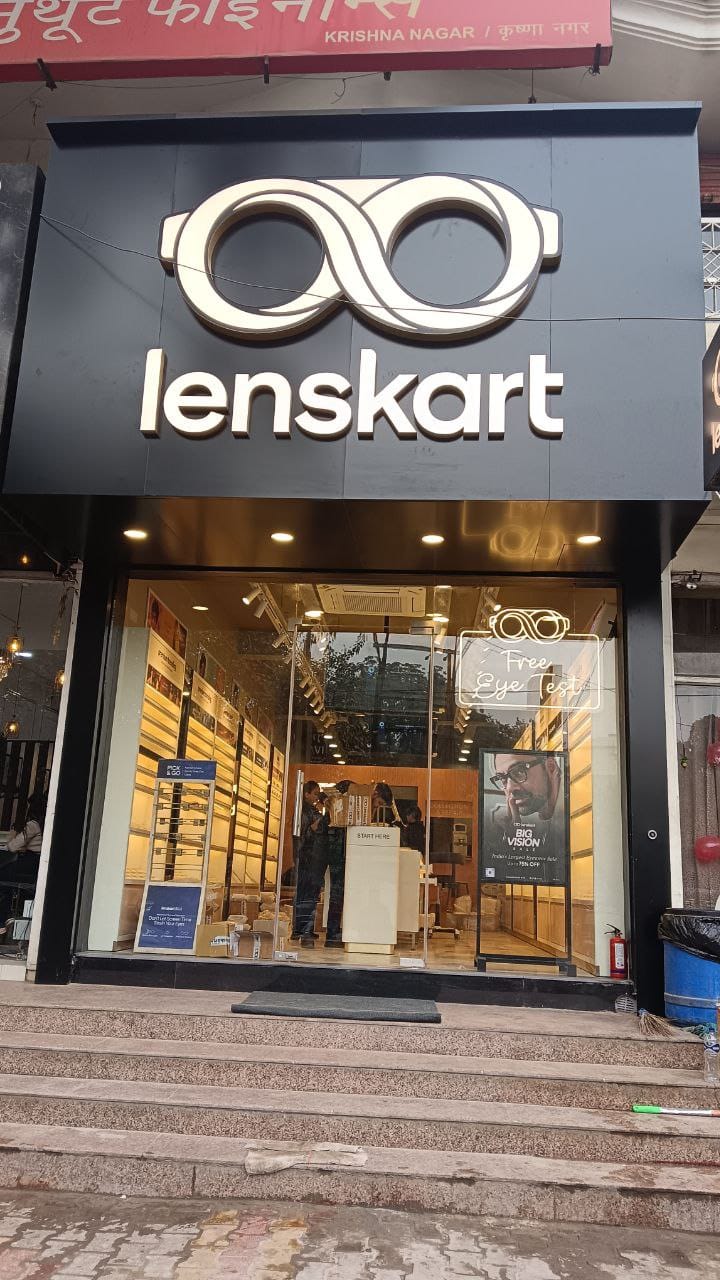

What Are Fitout Companies in the Retail Sector?
What Are Fitout Companies in the Retail Sector? Fitout companies...
Read More
How Lighting Design Impacts the Look, Feel, and Sales of Your Retail Store
How Lighting Design Impacts the Look, Feel, and Sales of...
Read More
Why Should We Hire a Store Fit-Out Company?
Opening or renovating a store looks simple—until execution begins. Delays,...
Read MoreHow to Optimise Retail Space for Increased Customer Engagement
How to Optimise Retail Space for Increased Customer Engagement Retail...
Read MoreTop 5 Store Designers in India
Top 5 Store Designers in India India’s retail landscape is...
Read More