When brands plan a new store, one confusion comes up almost every time:
Is retail design the same as retail interior execution?
They are closely linked—but not the same. Understanding this difference is critical if you want your store to open on time, stay within budget, and actually perform on the shop floor.
This is where Sparrow Shopfits brings clarity by seamlessly connecting both.
What Is Retail Design?
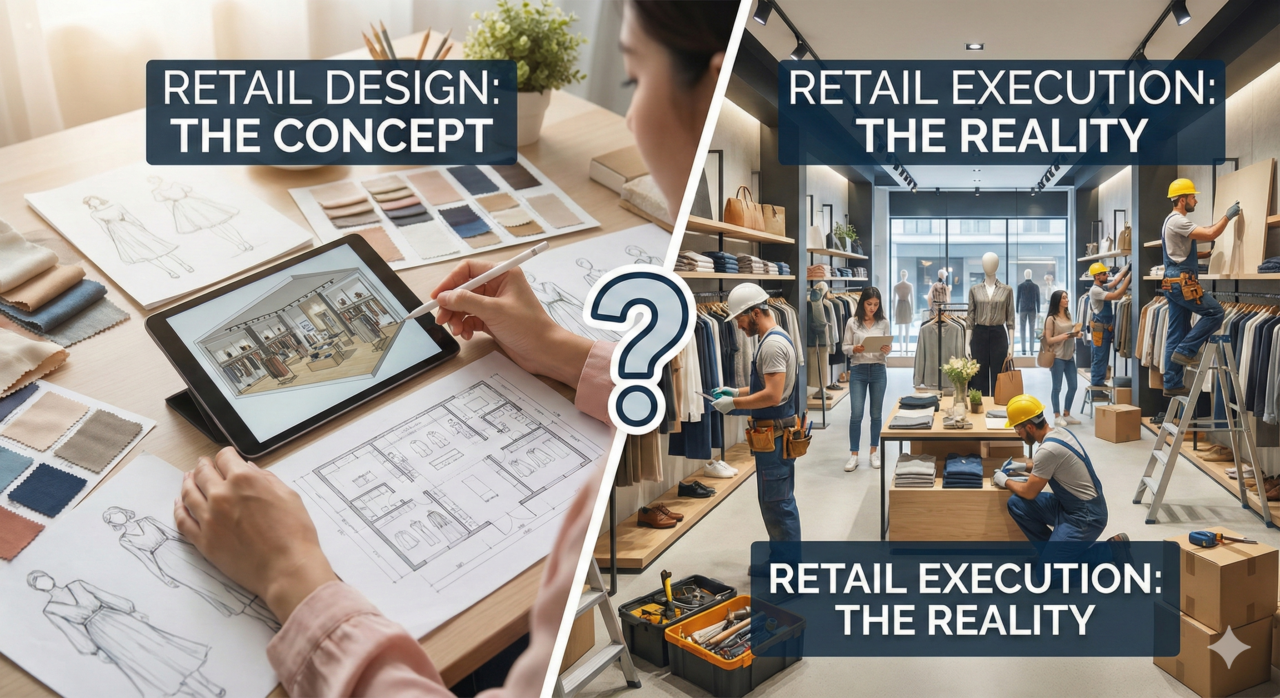
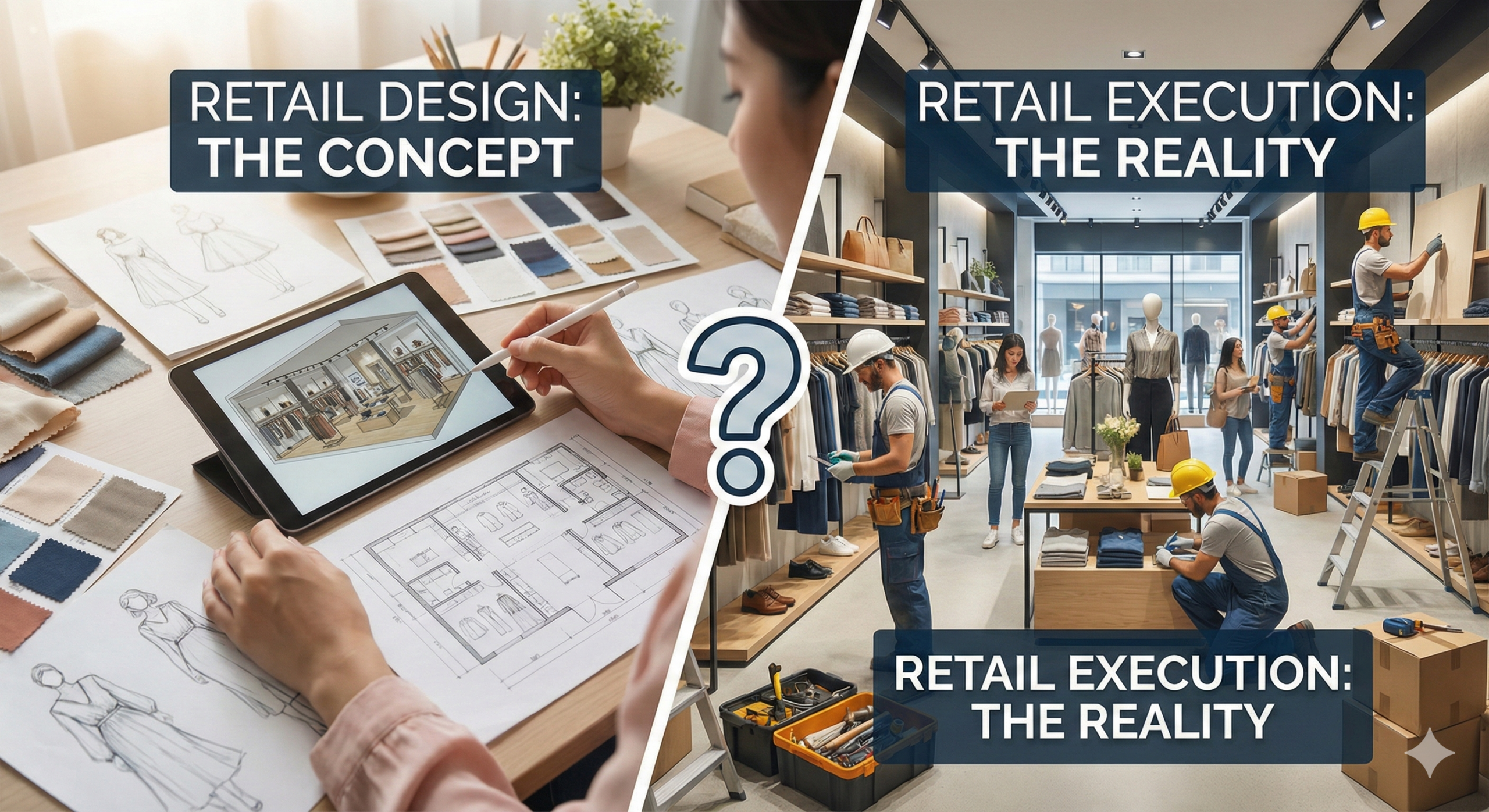
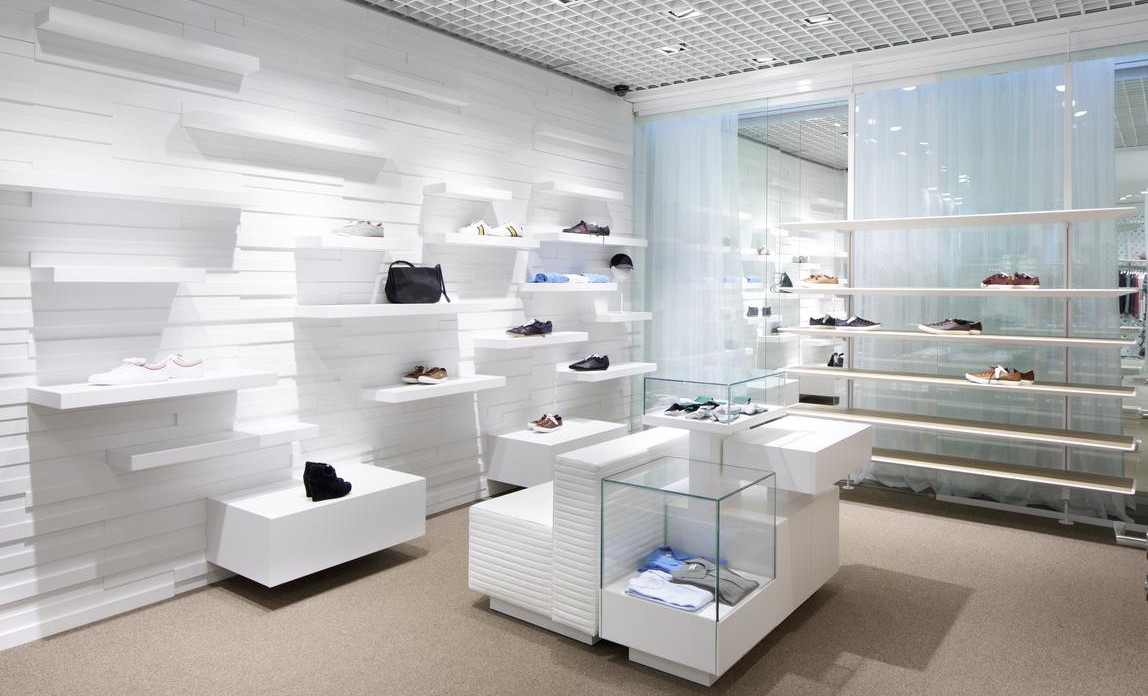
Retail design is the thinking and planning stage of a store.
It focuses on how the store should look, feel, and guide customers.
Retail design typically includes:
- Store layout and zoning
- Customer journey planning
- Brand expression and storytelling
- Fixture concepts and visual merchandising ideas
- Mood boards and 3D visuals
Retail design answers one key question:
“What should this store experience be?”
However, design alone does not build a store.
What Is Retail Interior Execution?
Retail interior execution is where plans turn into reality.
It involves physically building the store on site—accurately, safely, and on time.
Retail execution includes:
- Civil and interior fit-out work
- Shopfitting and fixture installation
- Electrical, lighting, and finishing works
- On-site coordination and supervision
- Quality control and final handover
Execution answers a very different question:
“How do we deliver this store exactly as designed?”
Why the Gap Between Design and Execution Causes Problems
Many retail projects fail not because of poor design—but because design and execution are handled separately.
Common issues brands face:
- Designs that look good but can’t be built easily
- Cost overruns due to impractical details
- Delays caused by unclear drawings
- Compromises made on site without brand approval
This gap directly impacts store opening timelines and customer experience.
How Sparrow Shopfits Bridges Design and Execution
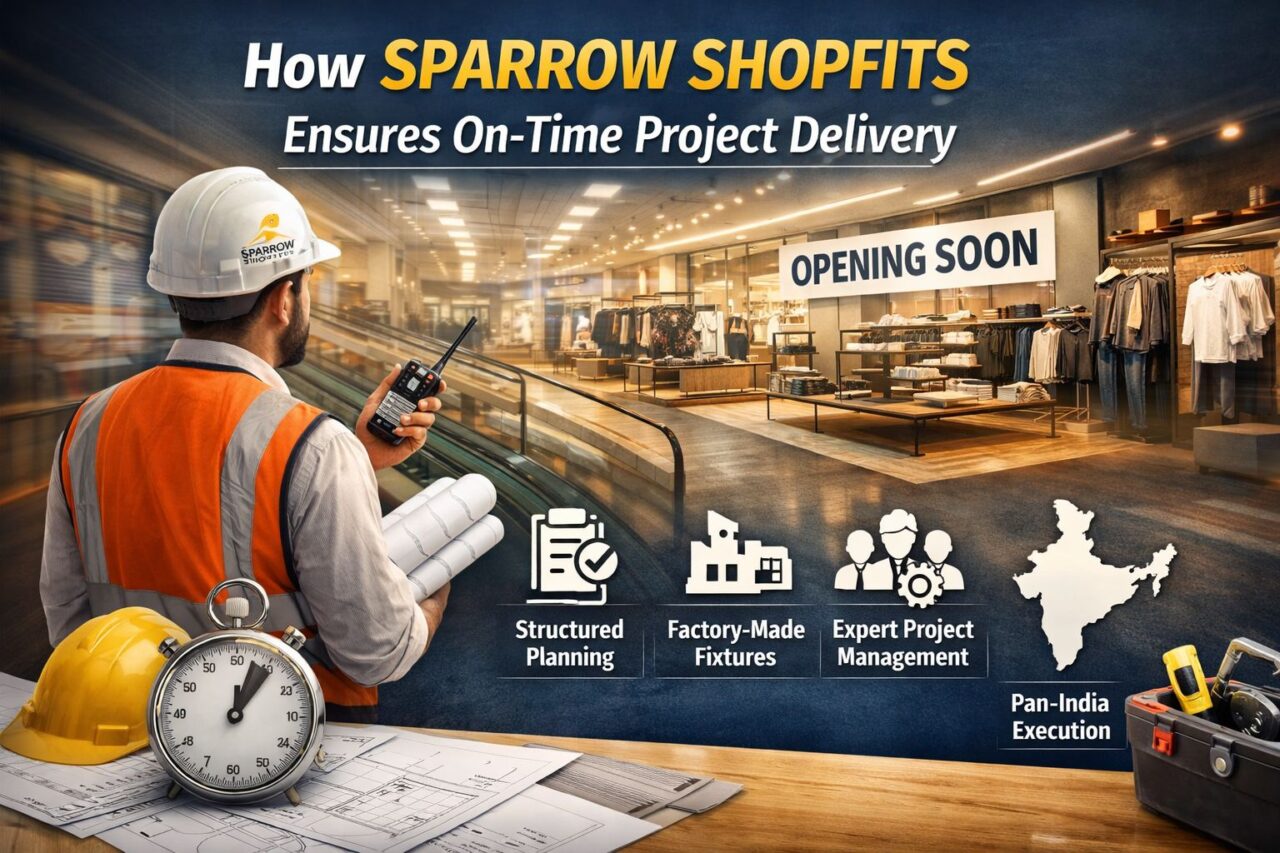
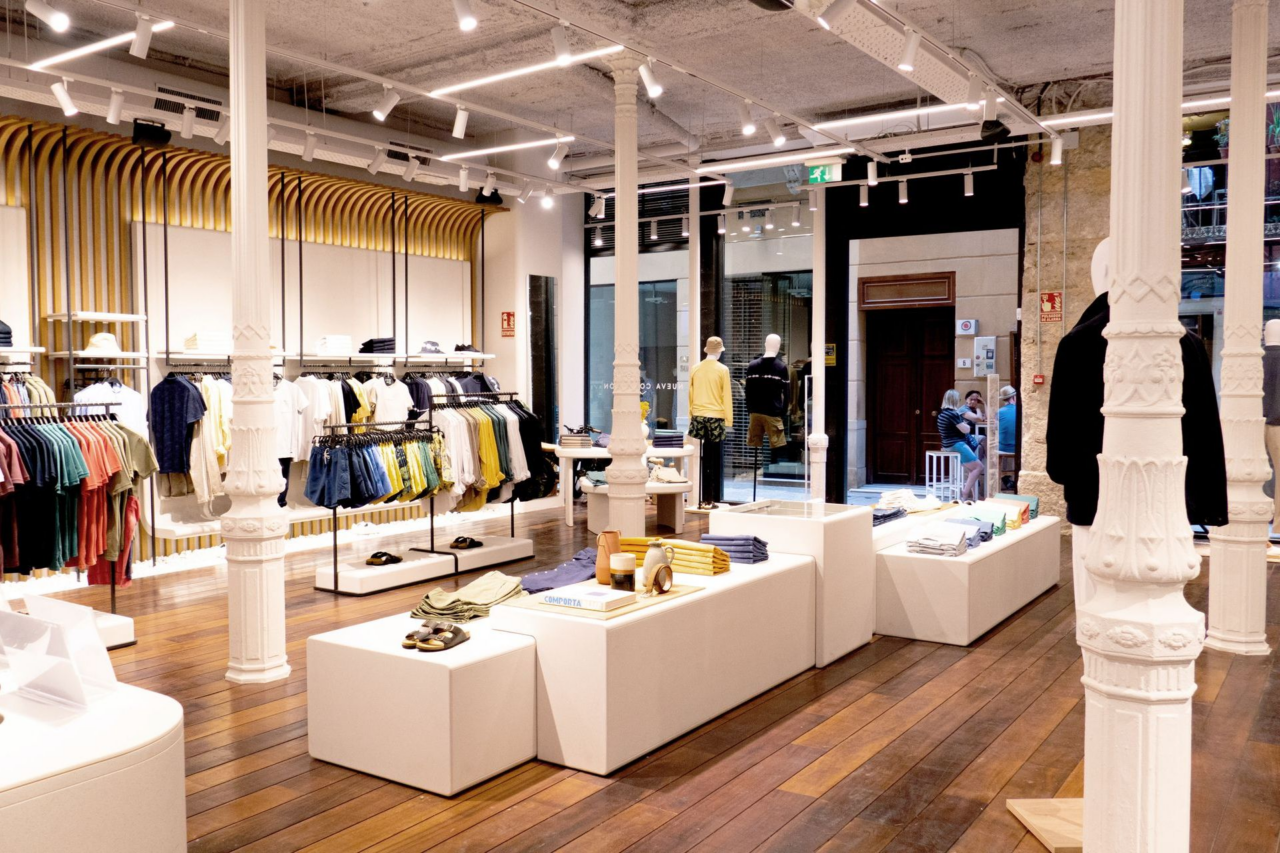
Sparrow Shopfits approaches retail projects with an execution-first mindset.
Design decisions are made while keeping real-world constraints in mind—mall rules, site conditions, timelines, and budgets.
What makes the difference:
- Designers and execution teams work together, not in silos
- Fixtures are designed to be manufactured and installed smoothly
- Materials are selected for durability, not just appearance
- Timelines are planned around Indian retail realities
This integrated approach ensures what you see on paper is what opens on site.
Retail Design Without Execution: The Risk
A beautifully designed store that opens late or with poor finishes hurts the brand more than it helps.
Risks include:
- Lost sales during delayed openings
- Higher maintenance costs
- Inconsistent brand experience across locations
Execution discipline protects the value of good design.
Retail Execution Without Design: Another Common Mistake
On the other hand, execution without proper design leads to:
- Confusing store layouts
- Weak visual merchandising
- Poor customer flow
- Low conversion despite good footfall
Retail success needs both strategy and structure.
Direct Answers to Common User’s Questions
Is retail design enough to open a store?
No. Retail design defines the vision, but interior execution is required to physically build and deliver the store.
Can one agency handle both design and execution?
Yes. Integrated firms like Sparrow Shopfits manage design, shopfitting, and execution under one accountable system.
Which impacts sales more: design or execution?
Both. Design attracts customers; execution ensures the experience works smoothly and consistently.
Which impacts sales more: design or execution?
Both. Design attracts customers; execution ensures the experience works smoothly and consistently.
Final Thoughts
Retail design creates the vision.
Retail interior execution delivers the promise.
The real success of a store lies in how well these two work together.
By integrating thoughtful retail design with disciplined execution, Sparrow Shopfits helps brands open stores that look right, function better, and perform from day one.
If your store matters to your brand and your bottom line, choosing a partner who understands both sides makes all the difference.