Home » How to Increase Sales in Retail: 7 Key Strategies for Store Growth
How to Increase Sales in Retail: 7 Key Strategies for Store Growth

In today’s fast-moving retail environment, success is not just about footfall — it’s about how much each customer buys and how often they return. Whether you run a fashion outlet, a supermarket, or a café, increasing sales requires more than a good product — it requires strategy, systems, and smart customer experience design.
This article explores 7 practical strategies to maximise sales in retail — backed by what works for top brands and applicable to stores of any size or format.
1. Store Layout That Encourages Buying
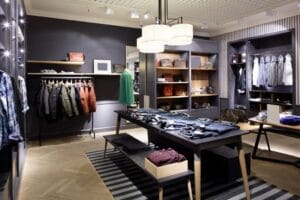
A well-planned layout helps guide the customer journey and influences what they buy. High-performing stores use zoning to place high-margin or fast-moving products in high-traffic areas.
Key tactics:
Place new arrivals and high-demand items near the entrance.
Keep billing counters visible but not at the center.
Use wide pathways to ensure comfortable movement.
Include dedicated spaces for offers, combos, and impulse buys.
Why it works: A logical flow increases product visibility, reduces confusion, and gently nudges customers toward key purchase zones.
2. Train Staff to Engage, Not Just Sell
Your floor staff are not just helpers — they’re brand representatives. The way they greet, explain, and support the customer has a direct impact on sales.
Key practices:
Conduct regular training on product knowledge.
Teach consultative selling: asking questions and offering suggestions.
Encourage polite, friendly interaction without pressure.
Incentivise good performance with recognition or bonuses.
Why it works: A knowledgeable and friendly staff member can turn an unsure walk-in into a confident buyer — and even upsell additional items.
3. Use Targeted Promotions and Time-Bound Offers
Customers are motivated by urgency and value. A well-placed offer — especially time-limited — can turn a browser into a buyer instantly.
Key ideas:
“Buy One, Get One” or “Flat ₹499” deals
Combo packs (e.g., sandwich + drink at ₹99)
Clearance zones for old stock
Loyalty rewards or “Happy Hours”
Why it works: Offers create excitement and push people to take action faster — especially when promoted near store entrance, on counters, or on digital signage.
4. Improve Visual Merchandising and Product Display
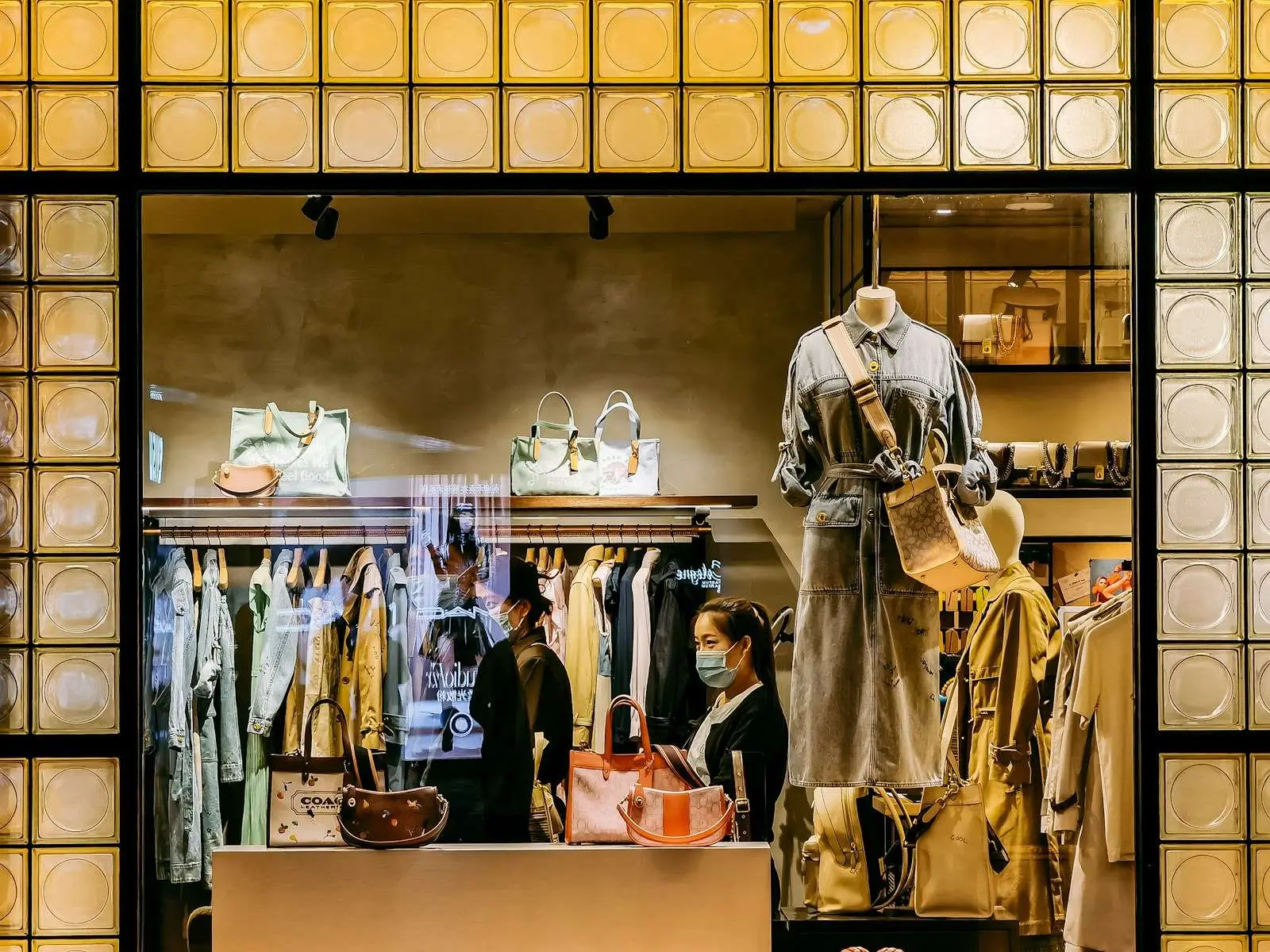
Visual appeal plays a huge role in how products are perceived and purchased. Proper lighting, display height, and arrangement make products look more desirable.
Key tips:
Use the “Rule of Three” — group products in odd numbers.
Keep shelf heights between waist and eye level.
Add spotlights to highlight premium products.
Use mannequins or bundles to tell product stories.
Why it works: Clean, attractive displays create desire and help customers imagine how the product fits into their lives.
5. Offer a Superior In-Store Experience
Customer experience includes everything from store cleanliness and lighting to comfort and music. It affects how long customers stay — and how much they spend.
Smart additions:
Soft background music that matches your brand
Air-conditioning and scent diffusers
Clean trial rooms and seating areas for companions
Gift wrapping or thank-you tokens
Why it works: Comfortable, positive experiences make people stay longer — and the longer they stay, the more they buy.
6. Use Cross-Selling and Upselling Smartly
When done well, upselling and cross-selling help increase the bill value without forcing the customer. This is especially effective in fashion, electronics, beauty, and food retail.
Examples:
Offer socks with shoes, or lipstick with a dress.
Suggest a higher-value alternative (“This is ₹200 more but better quality.”)
Add combo discounts at billing counter (“Add for just ₹49 extra.”)
Why it works: It’s easier to convince someone who is already buying to buy a little more — especially if it adds value.
7. Leverage Retail Technology and Data
Modern POS systems and analytics tools give powerful insights into what’s working — and what’s not. This helps managers and owners make fast, informed decisions.
Use tech for:
Tracking footfall and sales conversion rate
Analysing peak shopping times
Understanding best-selling SKUs and dead stock
Creating customer databases and sending SMS/email offers
Why it works: Data takes the guesswork out of retail. It tells you where to improve and which strategies bring the highest returns.
Retail Sales Maximisation Summary
| Strategy | Key Impact |
|---|---|
| Smart Store Layout | Guides customers to high-value zones |
| Trained Staff | Builds trust and improves conversions |
| Targeted Offers | Drives urgency and increases volume |
| Visual Merchandising | Boosts product appeal |
| Enhanced Experience | Increases time spent in-store |
| Upselling & Cross-selling | Grows average bill size |
| Retail Technology | Enables faster, data-driven decisions |
Conclusion: Selling is About the Right Systems
Retail sales don’t grow by chance — they grow by design. From store layout and display to customer service and backend analytics, every detail plays a role in influencing how customers behave.
By applying these 7 strategies with discipline and attention, retailers can not only increase daily sales but also build long-term loyalty and repeat business — the real signs of retail success.
recent post
How to Create a Future-Ready Retail Store with Smart Technology Integration