
Introduction
The retail landscape is transforming rapidly. While e-commerce continues to grow, physical stores are not disappearing—they’re getting smarter. In 2026, success in retail means blending the digital and physical, prioritizing experience, and building sustainable, flexible designs. At Sparrow Shopfits, we believe staying ahead means understanding the trends shaping tomorrow’s stores today.
In this article, we’ll explore the top shifts in retail design and shopfitting for 2026—and how brands can adapt.
1. Phygital Experiences Become The Norm
Gone are the days when stores were just bricks and shelves. The new generation of stores blends digital tech with tactile experience. Think interactive displays, AR try-ons, smart mirrors, digital kiosks, QR-enabled tags, and more.
Why this matters:
Engages customers & boosts dwell time
Makes inventory smarter & responsive
Enhances brand memorability
At Sparrow, we already integrate digital modules and tech infrastructure in our designs so your store is ready for today’s hybrid shoppers.
2. Sustainability & Green Materials Take Center Stage
Consumers are increasingly eco-conscious—and they expect the same from brands. In shopfitting and retail interiors, this means:
Reclaimed wood, bamboo, cork, recycled materials Energy-efficient lighting & HVAC systems
Modular, reusable fixtures
Sustainable design isn’t just trend—it’s a brand value that resonates deeply.
3. Flexibility & Modular Stores
Retailers no longer want static designs. Flexibility is key. In 2026, stores are being built to adapt, evolve, and scale through modular systems, interchangeable fixtures, and flexible layouts.
Examples:
POP-up zones within a store
Fixtures that can be reconfigured without big rebuilds
Changeable display backdrops
At Sparrow Shopfits, we create backbones for flexibility so your store can grow, shift, or refresh without massive cost.
4. Experiential Retail & Immersive Spaces
Shopping is no longer a transaction—it’s an experience. Brands are designing stores that evoke emotions, tell stories, and create moments:
Instagram-friendly “zones”
Brand storytelling through materials, finishes, lighting
Live demonstrations, sampling zones, or integration of events
Stores become social destinations, not just shopping spots.
5. Data-Driven Design
Design isn’t intuition anymore—it’s backed by data. Using footfall analytics, heatmaps, shopper behavior, and AI tools, designers are optimizing layout, lighting, and path-to-purchase.
We at Sparrow embed tracking & measurement frameworks early—so even your recce and design stages think ahead to analytics.
6. Curves, Textures, & Human-Centric Aesthetics
2026 leans toward more organic forms and sensory surfaces:
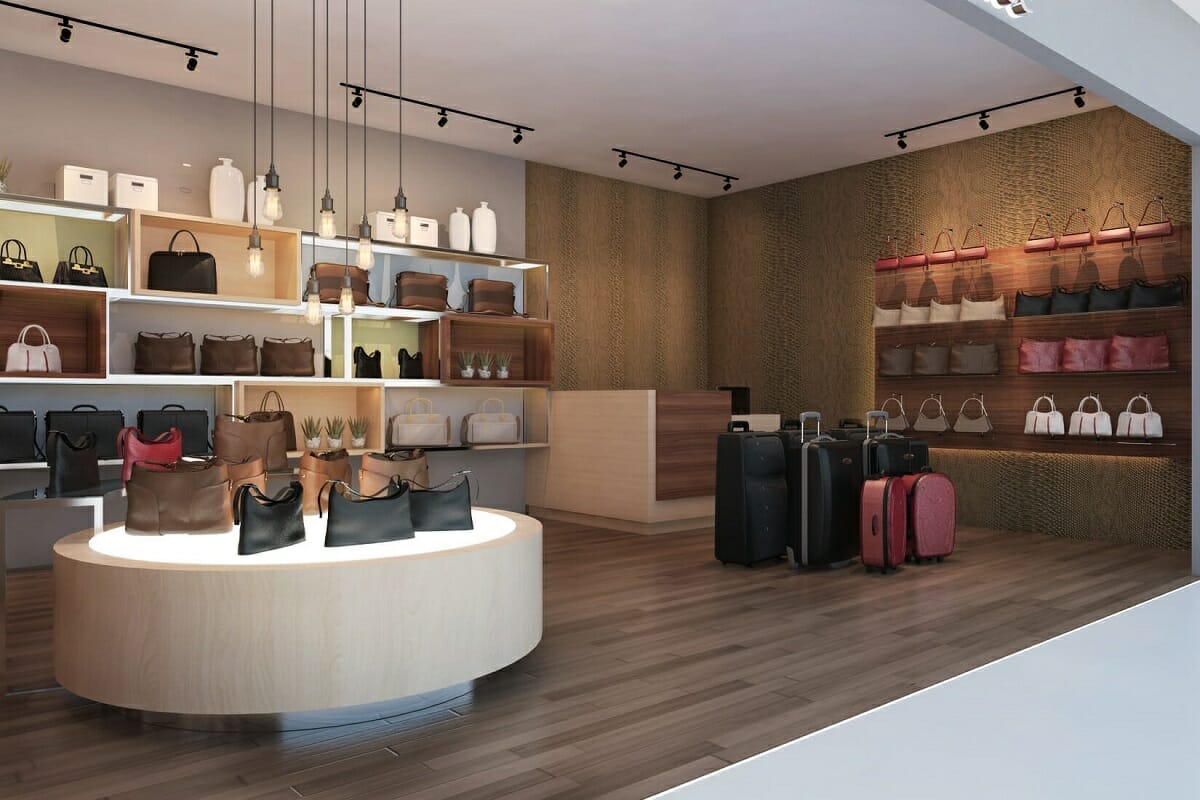
Rounded edges, arches, and curves that soften space
Textured walls, natural finishes, layering of materials
“Warm minimalism” — minimal but cozy, not cold
These elements make spaces more inviting and emotionally resonant.
7. Rollout Speed & Operational Efficiency
Trends aren’t just about design—they demand execution speed. Brands are emphasizing:
Faster project timelines
Streamlined supply chains
Standardized processes across cities
Sparrow Shopfits’ integrated supply chain model is designed precisely for this — so your design-to-launch time shrinks without compromising quality.
What This Means for Brands Partnering with Sparrow Shopfits
You’ll get future-ready stores built to flex, evolve, and adapt
Your space will speak sustainability, emotion, and tech-savvy
Faster rollouts, fewer surprises, and smarter analytics baked in from day one