Retail outlets play such an essential role in our daily lives that imagining a world without them feels almost impossible. However, designing a successful retail interior requires balancing physiological, psychological, and physical comfort. This is where ergonomics—the art of making a space user-friendly—can significantly influence a brand’s sales performance.
In this article, we’ll share 5 actionable tips to help you make your retail interiors more ergonomic.
1. Apply Anthropometry Correctly
Anthropometry refers to designing spaces based on average human body dimensions. Often called the golden ratio in architecture and interior design, it helps retailers create shelving and fixtures that customers can easily reach.
For instance, when customers struggle to access a top shelf, it creates frustration and leaves a poor impression. Designing with anthropometry in mind ensures comfort and accessibility—key traits of any high-performing retail space.
2. Eliminate the Butt Brush Effect
Aisle space plays a critical role in shaping the customer experience. When aisles are narrower than 4 feet, shoppers often bump into each other—something known as the Butt Brush Effect. This discomfort can discourage browsing and shorten store visits.
Ensure your aisles are wide enough to allow at least two people to pass comfortably. This simple fix can transform your store into a model of ergonomic design.
3. Use the Rule of Right
Have you ever noticed how people naturally turn right when entering a store or mall? Retail designers leverage this unconscious behavior to create layouts that guide customer flow effectively.
To optimize your circulation path, design your layout to lead customers to the right first. This “Rule of Right” helps increase exposure to key products and improves traffic flow throughout your store.
4. Prioritize Psychological Comfort
While physical comfort matters, psychological ease is equally important. Use soothing color schemes, reduce visual clutter, and maintain an approachable environment.
Also, ensure that staff remain available but not intrusive. Customers should feel guided—not followed—so they can enjoy a relaxed shopping experience that encourages purchase behavior.
5. Make Merchandising Easily Accessible
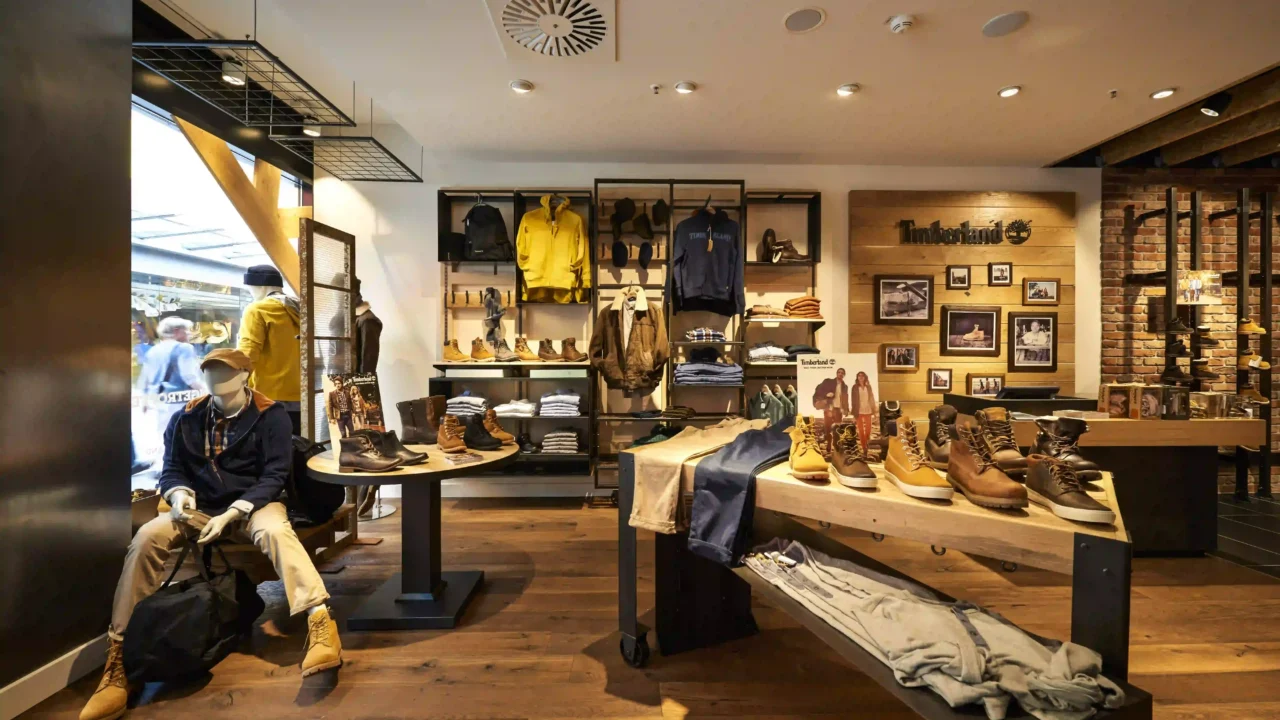
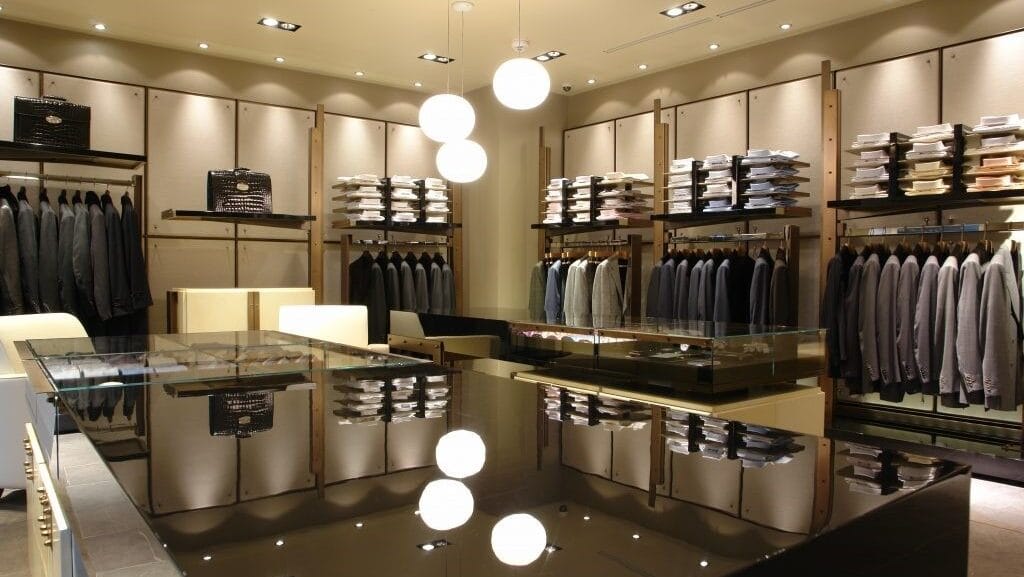
Overlapping merchandise displays or over-cluttering your space can instantly turn customers away. A well-designed retail space showcases products clearly and accessibly.
To improve access:
- Keep hangers and racks user-friendly
- Ensure products are neatly spaced
- Place sales staff in visible but non-intrusive positions
This improves customer flow and helps people engage with your products more naturally.
Final Thoughts
With trends like retail therapy and high-traffic events such as Black Friday, creating ergonomic and scalable store designs is no longer optional—it’s a necessity. A well-designed retail space should handle high foot traffic without compromising on aesthetics or product visibility.
At Home Guide Designs, we understand the importance of ergonomic interior design. Our specialized experience in creating customer-friendly retail environments has helped businesses across Singapore thrive.
Frequently Asked Questions (FAQs)
What does ergonomic retail interior design mean?
Ergonomic retail interior design focuses on creating store spaces that are comfortable, accessible, and easy to navigate for customers and staff. It considers human body dimensions, movement patterns, and psychological comfort to improve shopping experience and sales performance.
Why is anthropometry important in retail store design?
Anthropometry helps designers determine the correct height, reach, and spacing of shelves, counters, and fixtures based on average human measurements. Proper use of anthropometry prevents customer discomfort, improves accessibility, and makes products easier to interact with.
What is the Butt Brush Effect in retail interiors?
The Butt Brush Effect occurs when store aisles are too narrow, causing customers to bump into each other while browsing. This creates discomfort and often leads shoppers to exit the aisle or store early. Maintaining aisle widths of at least 4 feet helps eliminate this issue.
How does customer psychology affect retail ergonomics?
Psychological comfort plays a major role in shopping behavior. Calm colors, clutter-free layouts, balanced lighting, and non-intrusive staff presence make customers feel relaxed. When shoppers feel comfortable mentally, they spend more time in-store and are more likely to purchase.
How can ergonomic merchandising improve retail sales?
Ergonomic merchandising ensures products are easy to see, reach, and handle. Well-spaced racks, accessible shelves, and clear product presentation reduce effort for customers, encourage interaction, and increase the likelihood of purchase.