The ultimate guide for brands to avoid costly retail store design mistakes and improve sales performance.
Lighting is one of the most powerful—and often underrated—elements of retail store design. Whether it’s a fashion outlet, an electronics store, a jewellery showroom, or a supermarket, the quality of lighting directly affects how customers perceive your products, how long they stay inside your store, and how confidently they make purchase decisions.
For any brand wanting to create a high-performing retail environment, lighting is not just décor—it is a strategic sales tool. At Sparrow Shopfits, we have seen first-hand how the right lighting design transforms an ordinary space into a premium, profitable, and customer-centric retail store.
In this article, we explore why lighting matters so much, how it impacts look, feel, branding, comfort, and sales, and what principles every retailer must follow.
1. Lighting Shapes the First Impression of Your Store
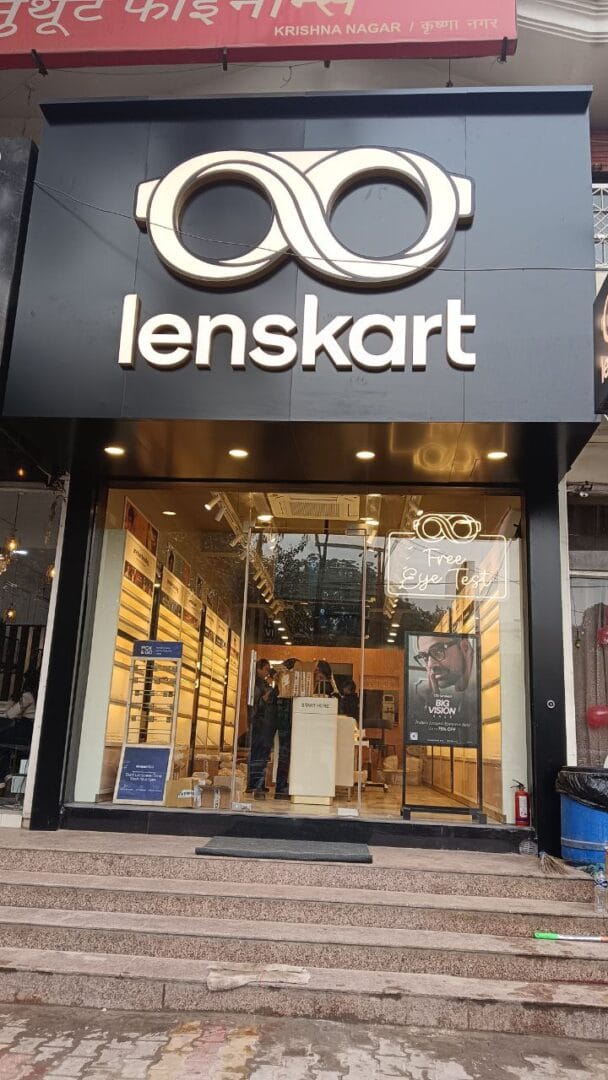
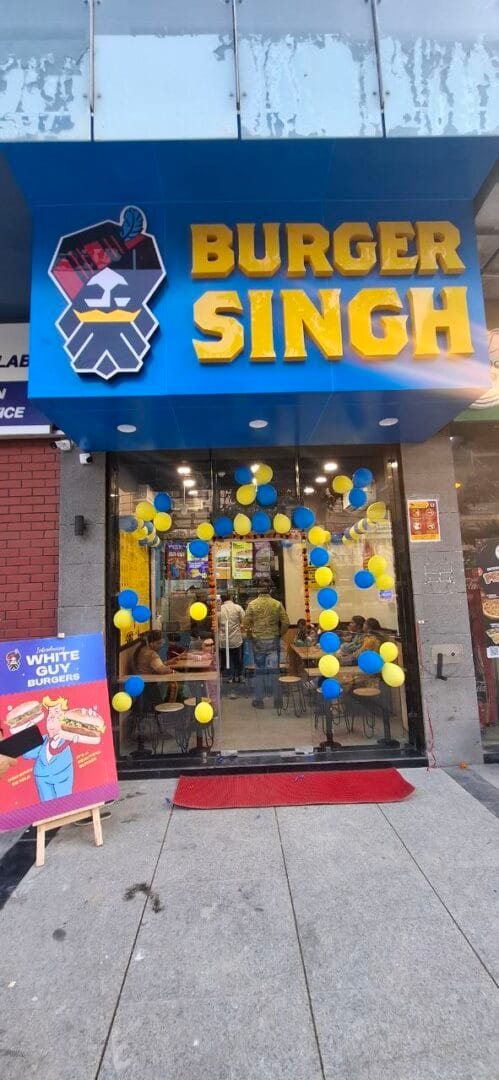
A customer’s buying journey begins the moment they see your storefront. Lighting plays a major role in making your store look inviting, premium, and well-designed.
Why this matters
- Well-lit facades attract more footfall
- Highlighted signage improves brand recall
- Bright entry zones make customers comfortable to walk in
Expert Tip from Sparrow Shopfits
Use warm, inviting lighting at the entrance so customers immediately feel welcomed. Poorly lit entrances reduce walk-ins by up to 30%, according to retail studies.
2. Lighting Enhances Product Visibility and Their Perceived Value
Customers buy what they can see clearly. Lighting helps showcase products in the best possible manner.
Impact on various retail categories
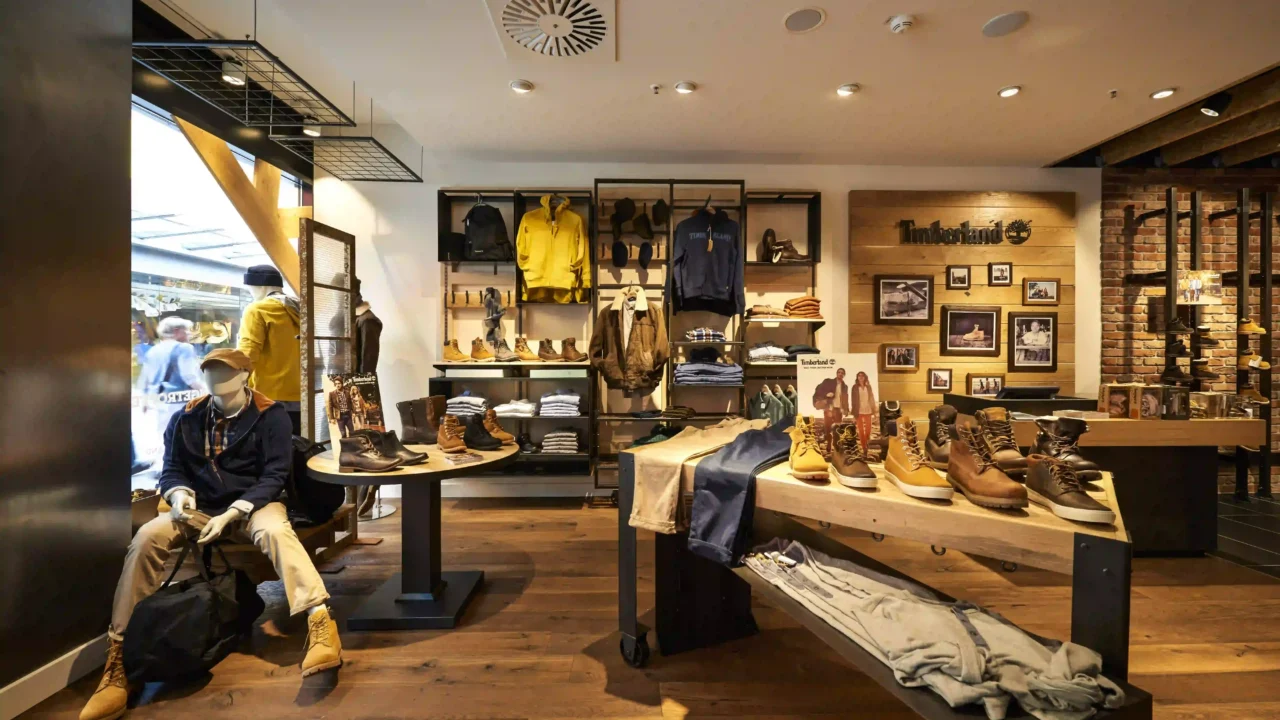
- Fashion stores: Accent lights highlight textures, colours, and fall of the fabric
- Jewellery stores: Focused beam lights add sparkle and luxury
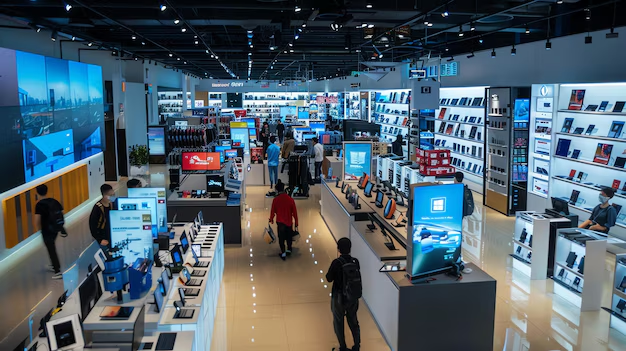
- Electronics stores: Neutral white lighting enhances product clarity
- Cosmetics stores: Balanced lighting helps customers evaluate shades accurately
Why this is important
A product displayed under the right lighting appears more premium and trustworthy. Bad lighting, on the other hand, makes even good products look dull or outdated.
3. Lighting Influences Customer Mood and Buying Behaviour
Lighting is closely tied to consumer psychology. It affects how customers feel inside the store, how long they stay, and how likely they are to explore more products.
Different lighting moods create different reactions
- Warm lighting → Comfort, relaxation, higher browsing time
- Cool lighting → Alertness, clarity, better decision-making
- Dynamic lighting → Energy, excitement, ideal for youth-focused stores
According to lighting research, stores with well-planned lighting can increase customer dwell time by 20–40%, which directly increases sales.
4. Lighting Directs Customer Movement & Improves Store Navigation
Lighting is a silent guide. It shows customers where to look and how to move through your store.
How lighting helps navigation
- Illuminated pathways help customers explore more areas
- Spotlighting highlights key merchandise
- Layered lighting creates a natural flow between store zones
Good lighting supports the store layout and increases the chance of customers discovering multiple categories.
5. Lighting Builds Stronger Visual Merchandising (VM)
No VM strategy is complete without lighting. Lighting is what brings mannequins, displays, window installations, and branding to life.
VM elements that depend on lighting
- Feature walls
- Product islands
- Window displays
- Seasonal setups
- Promotional zones
Well-designed lighting improves VM effectiveness dramatically and increases conversion rates.
6. Lighting Reinforces Branding and Store Theme
Lighting helps convey the personality of your brand.
Examples
- Luxury brands → warm, soft, golden lighting
- Sportswear stores → bold, high-contrast lighting
- Tech stores → clean, crisp, white lighting
- Kids stores → cheerful and colourful lighting effects
Good lighting ensures that your store feels “on brand” the moment someone enters.
7. The Right Lighting Reduces Eye Fatigue & Improves Comfort
Many customers leave stores early because lighting creates glare, shadows, or visual strain. Professional lighting design ensures perfect balance.
Balanced lighting avoids
- Harsh reflections
- Uneven brightness
- Dark patches
- Overlit areas
Comfortable customers stay longer —and longer stays lead to more sales.
8. Modern Lighting Makes the Store Energy-Efficient
Beyond aesthetics and sales, the right lighting design reduces long-term operational costs.
Energy-efficient lighting benefits
- LED lights save up to 60% energy
- Low heat emission improves AC efficiency
- Long lifespan reduces replacement cost
Retailers today aim for sustainability, and lighting is one of the easiest ways to achieve it.
9. Lighting Defines the Quality of Store Photography
Content creation has become essential for marketing. Proper lighting ensures all in-store photos, videos, and influencer content look premium.
A well-lit store performs better both offline and online.
10. The Right Lighting Directly Impacts Sales
Every point discussed above leads to one result—higher sales.
Here’s how lighting directly affects revenue:
- Increases product attractiveness
- Boosts customer confidence
- Extends browsing time
- Enhances visual merchandising
- Supports premium pricing
- Strengthens brand identity
Well-designed lighting can increase retail sales by 15–30%, depending on the category.
Sparrow Shopfits’ Approach to Effective Retail Lighting
At Sparrow Shopfits, lighting is an integrated part of our retail fitout, store design, and showroom interior design process.
We ensure:
- Layered lighting plans
- Industry-specific Kelvin temperature
- High-quality LEDs and drivers
- Perfect accent light angles
- Energy-efficient solutions
- VM-focused lighting execution
- Zero glare and shadow control
- Seamless integration with store fixtures
Our goal is simple—create stores that look beautiful, feel comfortable, and perform exceptionally well.
Conclusion
Lighting is not just a technical requirement; it is a strategic design tool that shapes your store’s entire customer experience. From enhancing product appeal to guiding customer movement and boosting overall sales, lighting plays a massive role in retail success.
If you want your store to feel premium, function efficiently, and perform better financially, investing in a professional lighting design—through an experienced retail fitout company like Sparrow Shopfits—is essential.
Frequently Asked Questions (FAQs)
Why is lighting design so important in retail stores?
Lighting design directly affects first impressions, product visibility, customer comfort, and buying behaviour. Well-planned lighting makes stores feel inviting, improves product appeal, and encourages customers to stay longer—leading to higher sales.
How does lighting influence customer behaviour and dwell time?
Lighting impacts mood and comfort. Warm and balanced lighting helps customers relax and browse longer, while harsh or poorly planned lighting causes discomfort and early exits. Increased dwell time strongly correlates with higher conversion rates.
Does lighting really affect product perception and sales?
Yes. Products displayed under the right lighting appear more premium, clearer, and more trustworthy. Accent and category-specific lighting can increase attention on key products and improve sales by 15–30%, depending on the retail category.
What are common lighting mistakes retailers should avoid?
Common mistakes include flat lighting across the store, dark corners, excessive glare, incorrect colour temperature, and ignoring accent lighting. These errors reduce comfort, weaken visual merchandising, and negatively impact sales.
How does Sparrow Shopfits design lighting for high-performing retail stores?
Sparrow Shopfits integrates lighting design into its overall retail fit-out and store design process, using layered lighting, category-specific colour temperatures, energy-efficient LEDs, and VM-focused lighting execution to create stores that look premium, feel comfortable, and sell better.