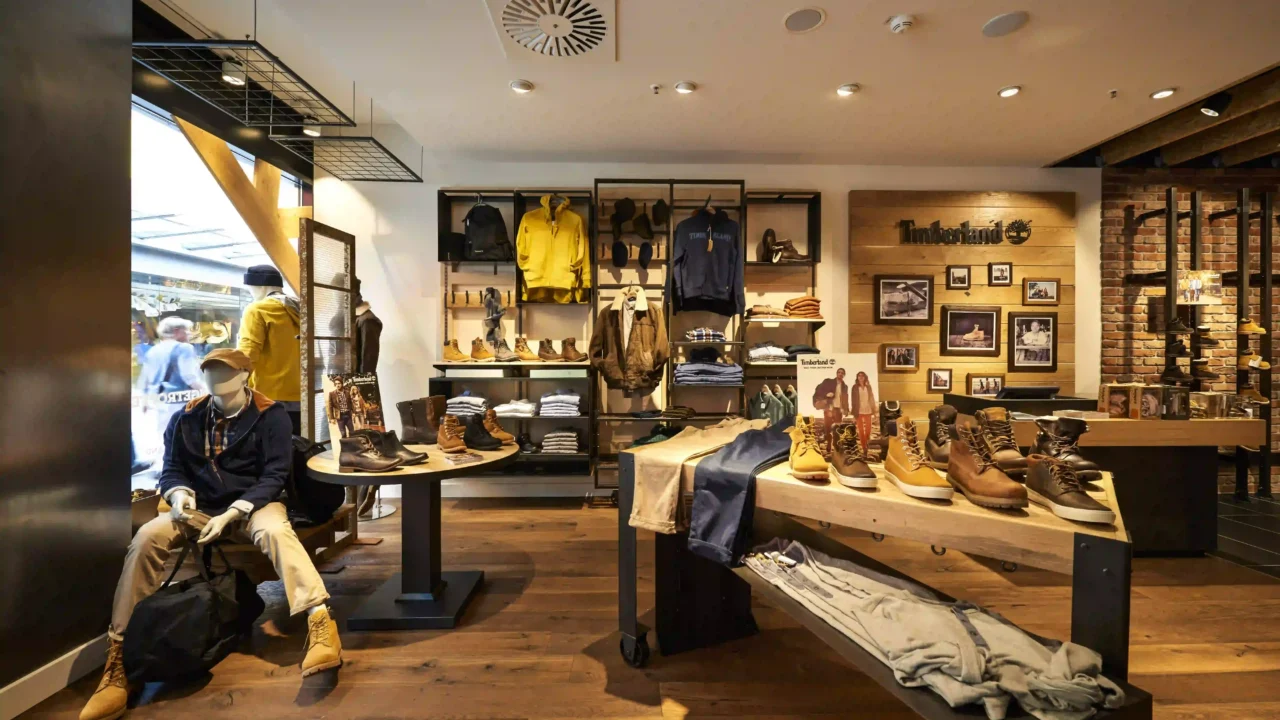
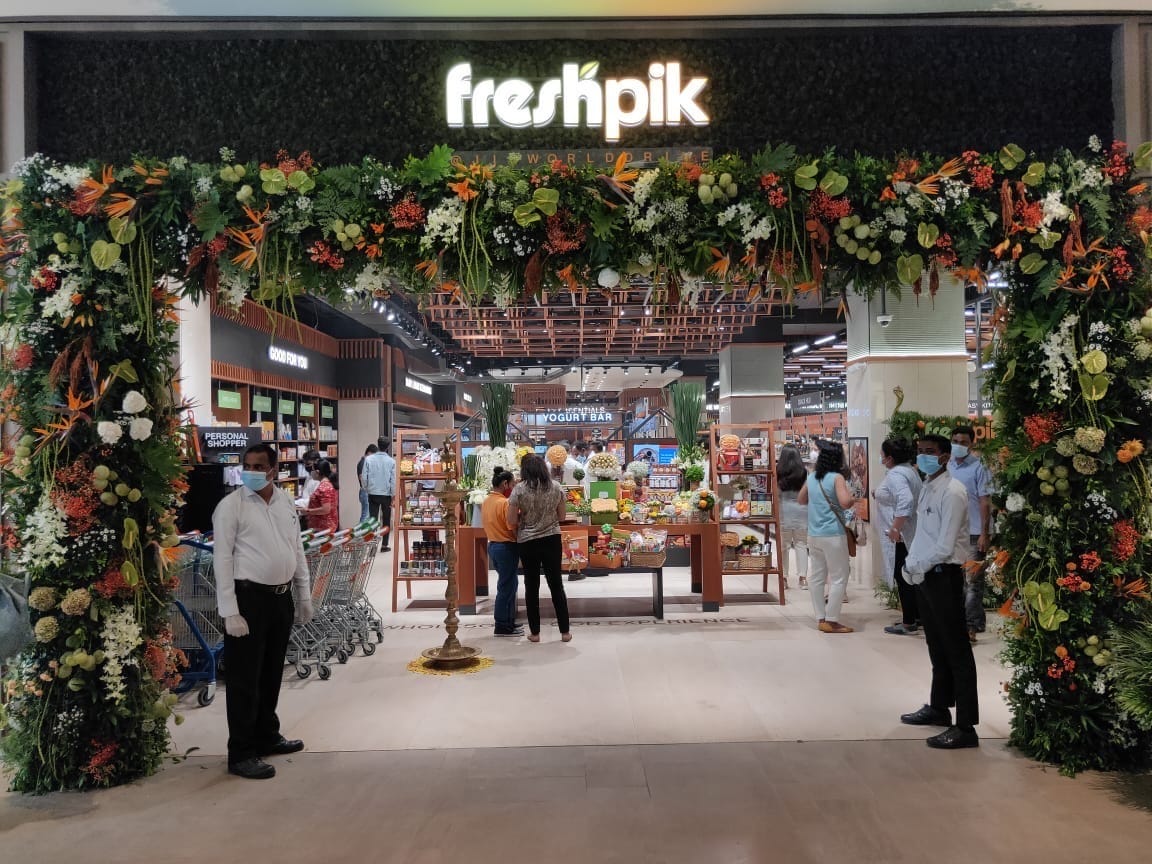
The ultimate guide for brands to avoid costly retail store design mistakes and improve sales performance.
Designing a successful retail store is not just about aesthetics; it’s a strategic fitout process that directly impacts sales, customer flow, and brand experience. Many brands unknowingly repeat the same retail store design mistakes, which lead to poor conversions, operational inefficiencies, and expensive redesigns.
In this guide, Sparrow Shopfits — one of India’s leading retail fitout companies — highlights the most common mistakes to avoid while designing a retail store and how thoughtful planning can transform your retail performance.
1. Not Planning the Customer Journey (Major Retail Store Layout Mistake)
The biggest mistake brands make is designing a visually appealing store without considering how customers actually move within the space.
Common Problems
- Poor store navigation flow
- Customers skipping sections
- High-value products placed in “cold zones”
- Confusion due to random layouts
Smart Fix
- Design a guided entry path
- Place impulse products in high-traffic areas
- Position hero products in prime visibility zones
- Create a clear, intuitive retail store planning framework
A structured customer journey improves retail customer experience and increases conversions.
2. Bad Lighting Choices (Top Retail Interior Design Mistake)
Lighting is often underestimated, but it has a big impact on product visibility and customer mood.
Mistakes to Avoid
- Using one type of lighting everywhere
- Missing accent lights on key displays
- Overly bright or dull corners
- Poor colour temperature selection
Best Practice
- Combine ambient, task, and accent lighting
- Highlight focal points
- Use warm lighting for fashion and defined lighting for electronics
Good lighting eliminates multiple retail fitout mistakes and enhances store appeal.
3. Overcrowding the Store With Products or Fixtures
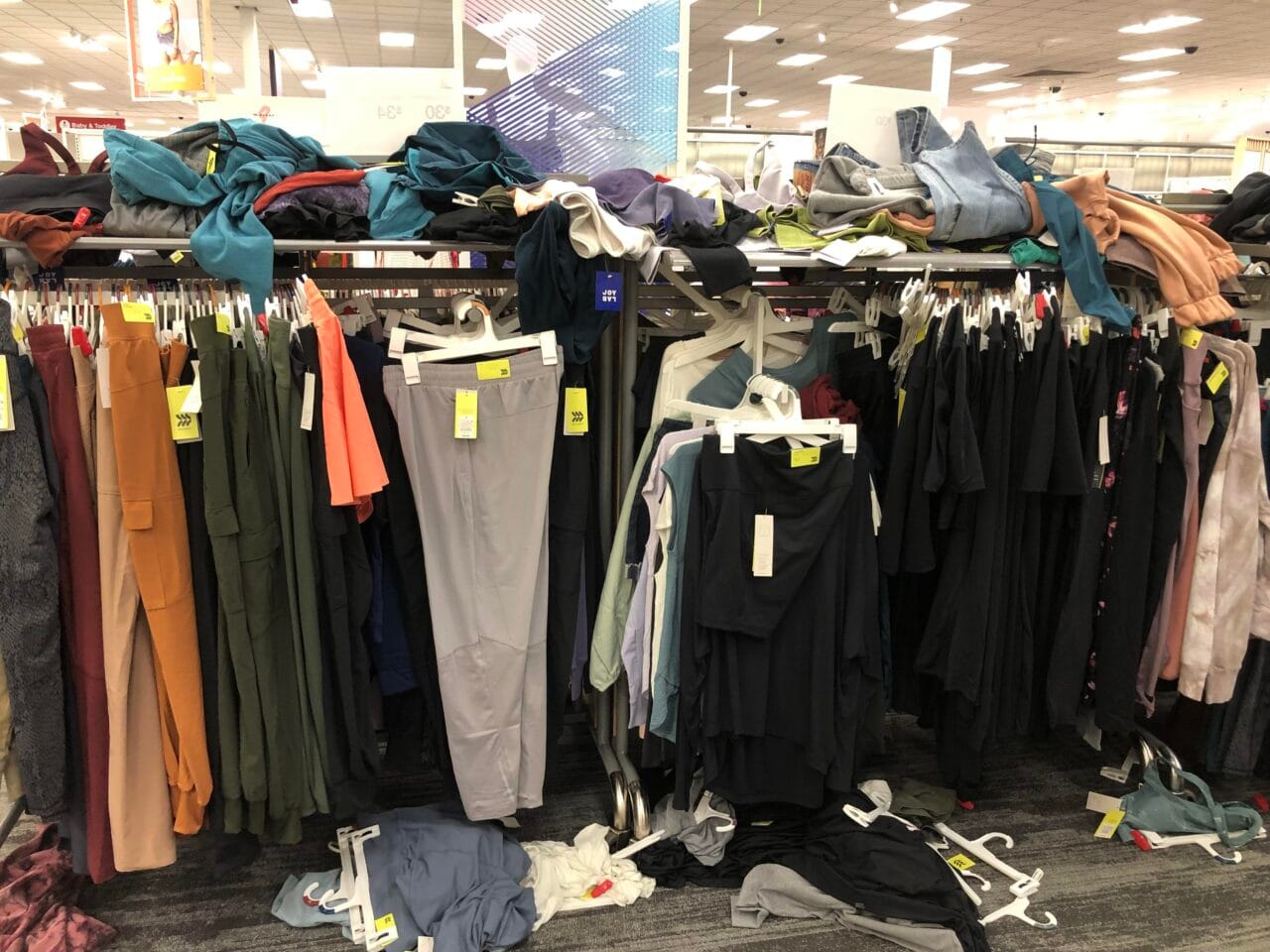
A cluttered store is one of the most common retail store design mistakes.
Why this hurts
- Customers feel overwhelmed
- No clear visual hierarchy
- Products lose impact
- Difficult to create strong visual merchandising stories
Solution
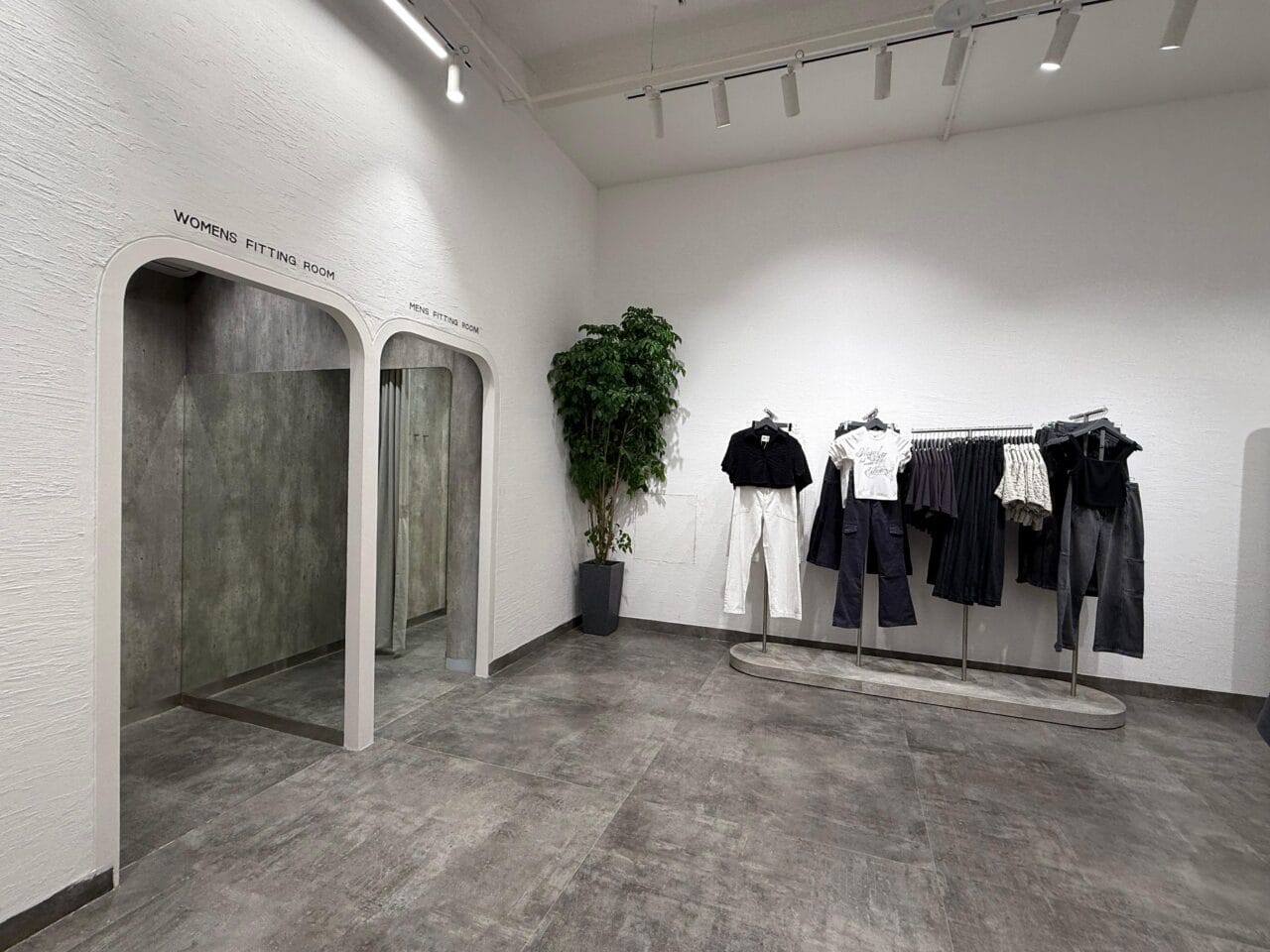
- Follow the “space sells” principle
- Use vertical fixture design smartly
- Keep circulation pathways clear
Minimalistic layouts create a premium retail customer experience.
4. Using Low-Quality Materials & Fixtures
Cutting costs on material selection leads to expensive repairs later — a major retail materials and fixtures mistake.
Common Issues
- Low-grade laminates peeling early
- Weak MS structure causing fixture wobbling
- Cheap LED strips failing
- Poor-quality boards in high-moisture zones
Fix
- Use retail-grade, long-lasting materials
- Plan a strong MS skeleton for fixtures
- Invest in durable, brand-safe finishes
Sparrow Shopfits always ensures retail fixture design that lasts 5–7 years.
5. Ignoring Branding & Visual Merchandising Strategy
Many stores focus only on fixtures and forget the importance of storytelling.
Mistakes
- No brand colour consistency
- Weak signage visibility
- VM props unrelated to the campaign
- No visual hierarchy
Smart Fix
- Identify a brand theme
- Highlight the hero wall and focal zones
- Design VM-friendly fixtures
- Follow a clear visual merchandising framework
This prevents visual merchandising mistakes and ensures stronger brand recall.
6. Poor Technology Integration in Store Design
Modern stores rely on strategic tech planning. Ignoring tech early creates costly redesign later.
Mistakes
- No digital screen space
- Missing plug points
- Poor Wi-Fi distribution
- No CCTV-friendly fixture planning
Better Design Approach
- Integrate digital displays
- Plan billing, POS and cabling routes
- Add mobile charging points
- Allocate omnichannel pickup space
These upgrades ensure smooth retail interior execution.
7. Weak Storage & Back-End Planning
Storage planning is a hidden but critical part of store design and build.
Mistakes
- Overstocked shelves due to poor planning
- Inventory visible to customers
- No defined area for returns or packaging
Solution
- Add hidden storage inside fixtures
- Plan drawer storage under the cash counter
- Create stock and back-end zones
Great storage planning improves daily retail store execution.
8. Ignoring Mall Guidelines & Approvals (For Mall Stores & Kiosks)
Ignoring mall design rules is one of the most expensive retail fitout mistakes.
Common Errors
- Wrong signage size
- Non-compliant fire safety zones
- Electrical load mismatches
- Incorrect façade design
Fix
- Follow mall store design guidelines strictly
- Get drawings approved before fabrication
- Use PMC expertise to avoid penalty delays
Sparrow Shopfits manages this end-to-end for faster approvals.
9. Lack of Clear Visual Hierarchy
Customers need direction. Without proper hierarchy, product discovery becomes difficult.
Fix
- Highlight high-margin products
- Use bold signage
- Add focal points near the entry
- Balance lighting and product story
This directly enhances retail customer experience.
10. Working With Unprofessional Contractors (Biggest Long-Term Mistake)
Using inexperienced vendors leads to:
- Poor finishing
- Delays in handover
- Wrong fixture measurements
- Electrical and lighting failures
- Rework costs
Why Brands Prefer Sparrow Shopfits
- 1,100+ retail projects
- Pan-India delivery
- Strong material selection process
- Concept → Design → Fitout under one roof
- Record timelines for store execution
Professional execution avoids retail store design mistakes and ensures faster ROI.
Final Thoughts
Designing a retail store isn’t just about how it looks — it’s about how it performs.
Avoiding these retail store layout mistakes, retail fitout mistakes, and visual merchandising mistakes helps you:
✔ Improve customer experience
✔ Increase sales
✔ Reduce operational problems
✔ Build a strong brand identity
✔ Ensure long-term durability
If you’re planning a new retail store, kiosk, or rollout, Sparrow Shopfits can help with design, fitout, PMC, and end-to-end retail execution.
Frequently Asked Questions (FAQs)
What is the most common mistake brands make while designing a retail store?
The most common mistake is not planning the customer journey. When layouts ignore how customers actually move and shop, it leads to poor navigation, missed products, lower dwell time, and reduced sales.
How does poor lighting affect retail store performance?
Poor lighting reduces product visibility, creates discomfort, and weakens visual merchandising. Incorrect lighting can make even premium products look dull, directly impacting customer confidence and conversion rates.
Why is overcrowding a retail store bad for sales?
Overcrowding creates visual noise, overwhelms customers, and makes decision-making difficult. Clean layouts with proper spacing help customers focus, browse comfortably, and purchase more confidently.
Why should retailers avoid low-quality materials and fixtures?
Low-quality materials lead to early wear, frequent repairs, safety issues, and higher long-term costs. Retail-grade fixtures and materials ensure durability, brand consistency, and smooth daily operations for 5–7 years or more.
How can Sparrow Shopfits help retailers avoid these store design mistakes?
Sparrow Shopfits helps brands avoid costly retail design mistakes through customer-journey-led layouts, professional lighting planning, durable retail-grade materials, mall-compliant execution, and end-to-end retail fit-out and project management.