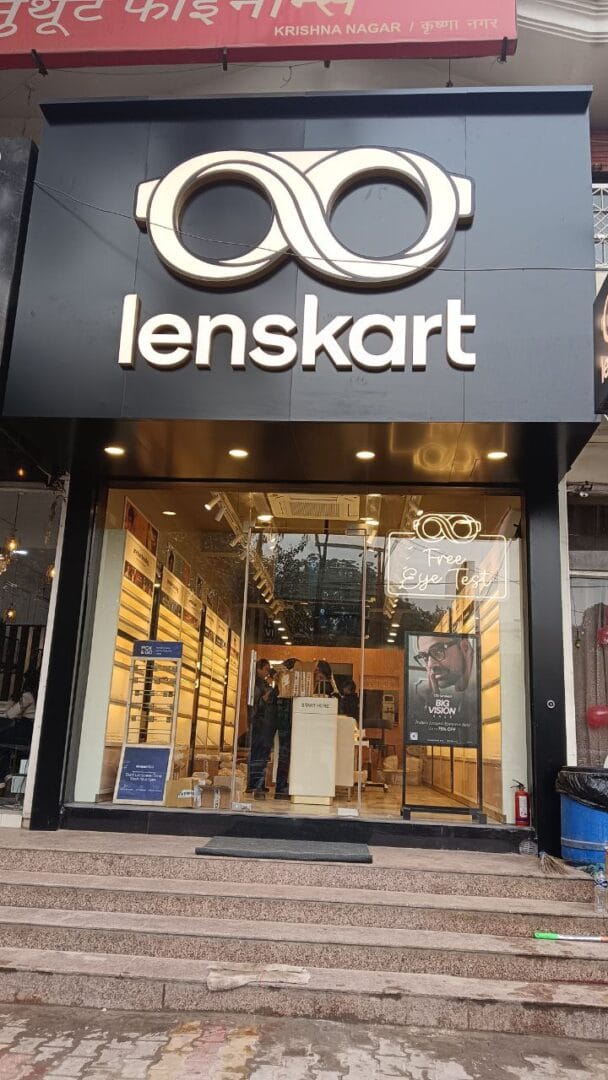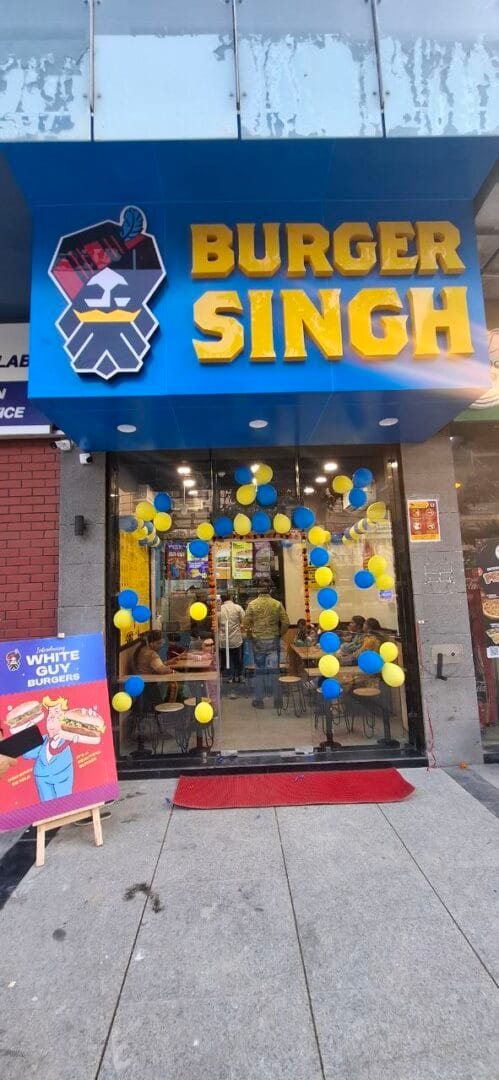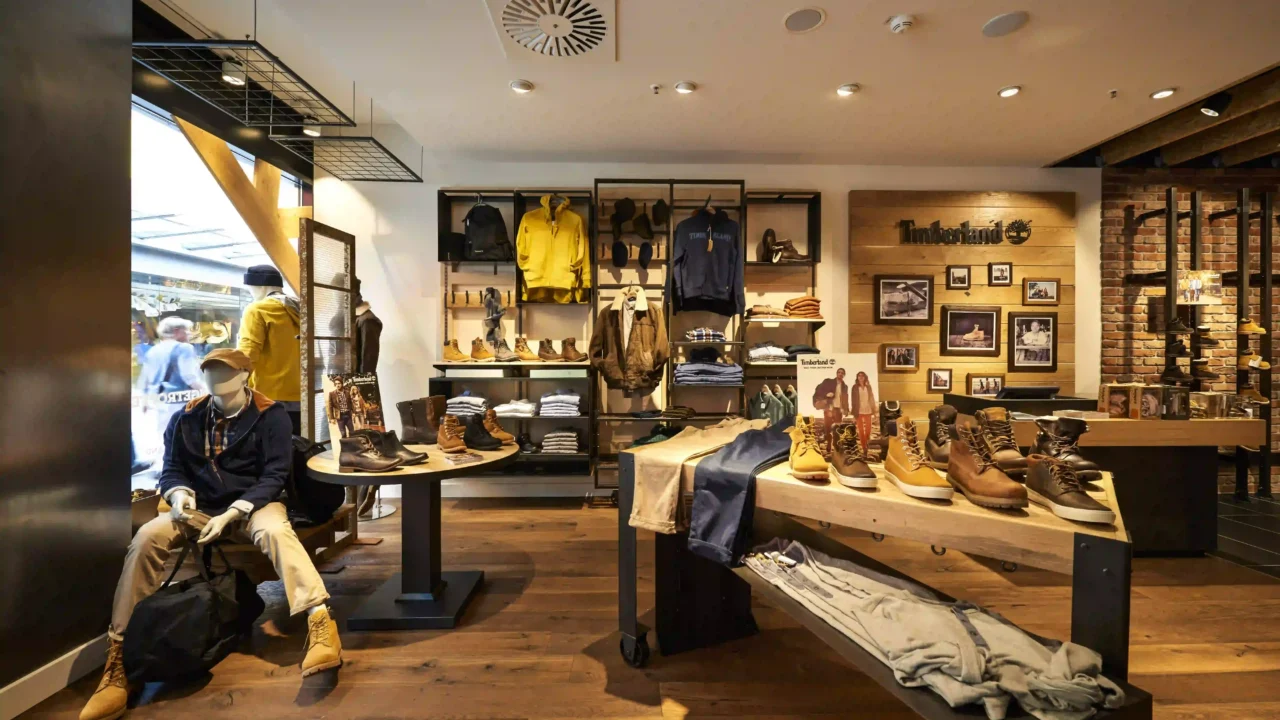

Franchise brands are expanding rapidly across India, especially in segments like fashion retail, QSR chains, grocery outlets, and electronics showrooms. Whether you run a clothing label like Zudio or a food brand like Burger Singh, one thing is clear — Retail Fitouts for Franchises must be consistent.
Standardised store design and fitout help build a strong brand identity, deliver uniform customer experiences, and enable smooth franchise rollouts. In this guide, we’ll explain the top five things you must standardize in retail fitouts for franchise success.
What Are Retail Fitouts in Franchising?
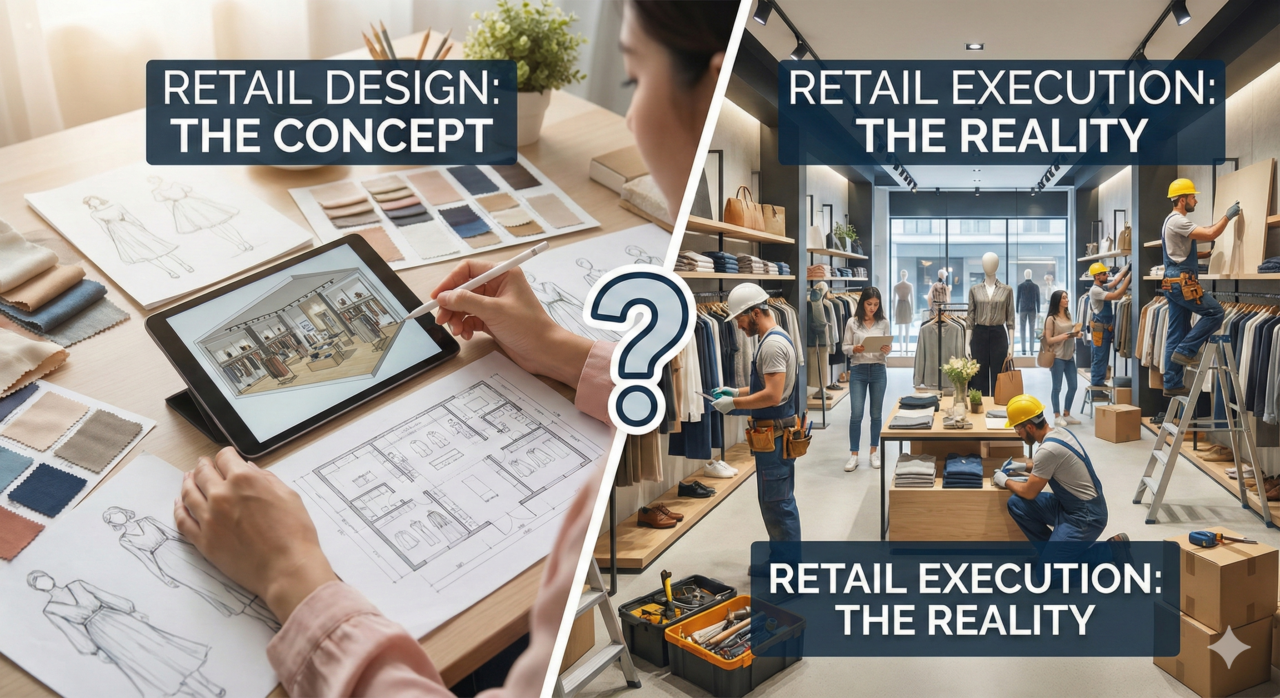
Retail fitouts refer to the physical build-out of a store — including flooring, display units, counters, branding, lighting, and materials. In a franchise model, fitouts must follow a standardised format to maintain brand consistency and speed up execution.
Whether you operate across malls, high streets, or Tier 2 cities, these 5 areas must be part of your retail fitout checklist.
1. Standardised Store Layout and Zoning
A consistent store layout is the foundation of a reliable brand experience. When customers walk into any of your outlets — be it in Delhi, Hyderabad or Kochi — the movement flow and placement of zones should feel familiar.
Define a standard retail zoning plan that outlines:
- Entry point design
- Display areas (new arrivals, high-margin products)
- Cash counter location
- Back-of-house or stock room position
- Trial room or kitchen areas (if applicable)
Design 2–3 layout formats for different store sizes (small, medium, large), but keep the zones and flow standard. This improves the customer journey and simplifies execution.
2. Fixtures and Furniture Design Consistency
Fixtures are the backbone of retail interiors — they include display racks, tables, storage units, billing counters, trial mirrors, and seating. Without standardisation, every franchise outlet ends up looking different, damaging your brand identity.
Prepare a fixture specification manual that defines:
- Dimensions and placement of racks, gondolas, and counters
- Materials (e.g., powder-coated metal, MDF, PU finishes)
- Fixture colours and design theme
- Load-bearing capacity and lighting integration (if needed)
Franchisees or contractors should be instructed to use approved designs and drawings, ensuring the same visual experience at every store.
3. Branding and In-Store Signage Guidelines
Visual branding is often the first thing customers notice — from the signage above the store to posters inside. Standardising branding ensures every outlet reflects the same values and personality.
Your franchise fitout guide must include:
- Fascia signage dimensions, placement, and lighting type
- Approved logo files, colour codes, and fonts
- Poster designs for product highlights, offers, or seasons
- In-store navigation signs and wall graphics
Visual consistency across outlets builds stronger brand recall, especially in competitive mall or market environments.
4. MEP and Retail Lighting Design
MEP (Mechanical, Electrical, and Plumbing) is a technical but critical aspect of every fitout. Lighting, air conditioning, switchboards, and plumbing setups must be aligned across stores to avoid on-site confusion and delays.
Create a typical retail MEP layout with:
- Light fixture types (track, panel, strip), colour temperature (3000K/4000K)
- Power load distribution and DB location
- AC type (Split or VRF), duct routing plan
- Plumbing layouts for food & beverage stores (sink, RO, waste)
This helps vendors follow uniform technical standards, reducing fitout errors and mall approval delays.
5. Approved Material Specifications and BOQ
From tiles and laminates to wall paints and glass, your store materials affect durability, aesthetics, and long-term maintenance. A well-documented material specification list ensures quality and cost control across locations.
Include in your BOQ:
- Flooring (vitrified tiles, vinyl, wooden)
- Paint finishes (interior walls, exterior signage)
- Glass types for display units and facades
- Countertop materials (Corian, acrylic, granite)
- Approved brand names or alternatives
Centralised material selection also helps negotiate bulk rates, improving franchise rollout efficiency.
Why Retail Fitout Standardisation Matters for Franchises
| Benefit | How It Helps Franchise Brands |
|---|---|
| Brand Consistency | Uniform look across cities and formats |
| Faster Execution | Vendors follow predefined standards |
| Better Cost Control | Predictable budgets and reduced waste |
| Easier Approvals | Malls and landlords prefer standard layouts |
| Customer Trust | Familiarity builds loyalty |
Conclusion: Set Standards to Scale Smoothly
If you want your franchise to grow without losing control of quality or customer experience, retail fitout standardisation is non-negotiable. Whether it’s store layout, fixtures, branding, or materials — document every detail and share it with your partners.
Strong retail brands like Zudio, Lenskart, Wow! Momo, and FirstCry follow this approach to scale across cities with ease. If your franchise plans to open 10, 50, or 100 stores, this is the foundation for success.
Frequently Asked Questions (FAQs)
Why is standardisation important in retail fitouts for franchises?
Standardisation ensures brand consistency, faster store rollouts, controlled costs, and a uniform customer experience across all franchise locations. Without standardisation, franchise stores risk uneven quality, delays, and brand dilution.
What are the most important elements to standardise in franchise retail fitouts?
The five most critical elements to standardise are store layout and zoning, fixtures and furniture design, branding and signage, MEP and lighting layouts, and material specifications with a fixed BOQ. Together, these create repeatable and scalable store execution.
Can franchise stores have different layouts in different locations?
Yes, but only within a controlled framework. Brands should create 2–3 standard layout formats based on store size (small, medium, large) while keeping zoning, customer flow, and key elements consistent across all locations.
How does fitout standardisation help reduce franchise execution costs?
Standardised designs and materials allow bulk procurement, reduce design revisions, minimise on-site errors, and speed up execution. This leads to predictable budgets and lower long-term maintenance costs for both franchisors and franchisees.
Who should manage standardisation for franchise retail fitouts?
Franchise brands typically partner with experienced retail fitout and PMC specialists like Sparrow Shopfits, who help create standard design manuals, approved drawings, BOQs, and ensure consistent execution across all cities and store formats.