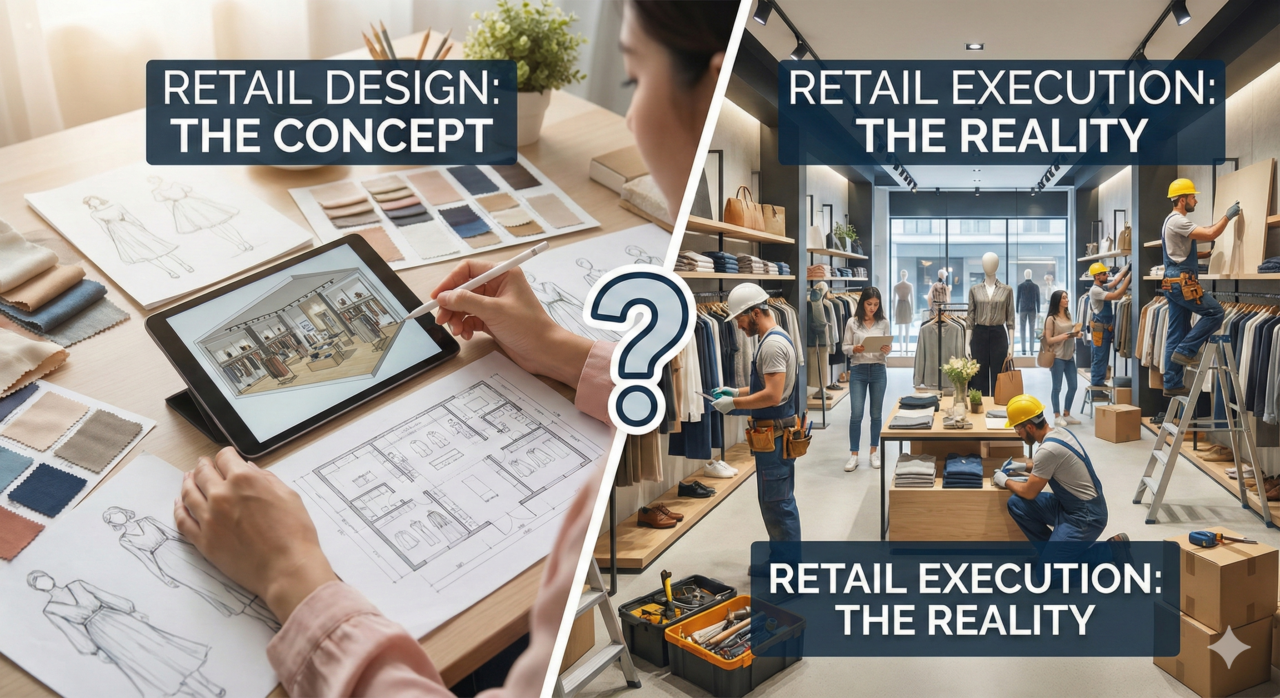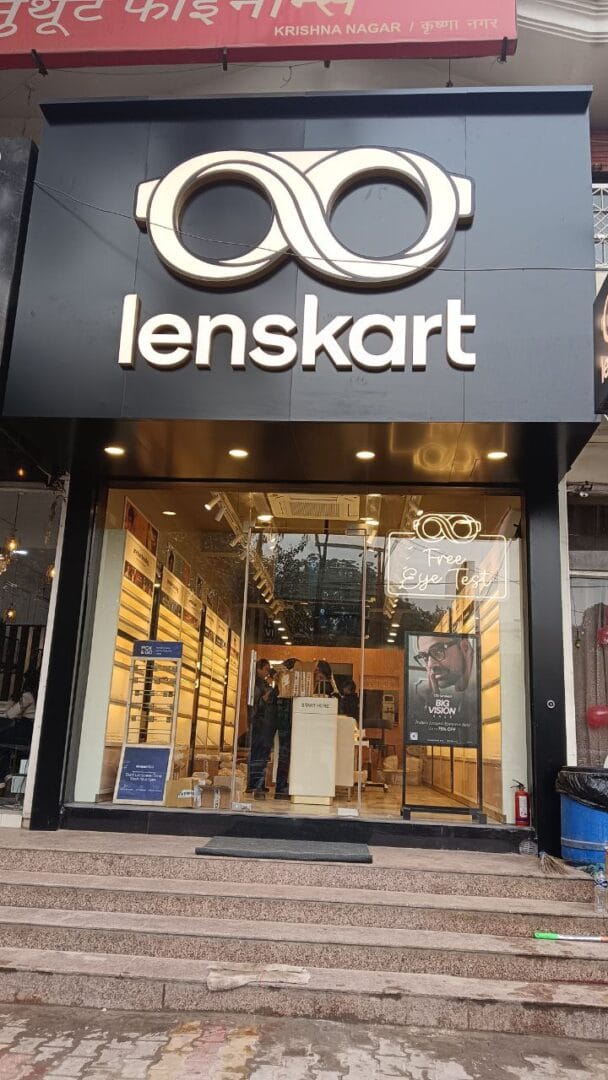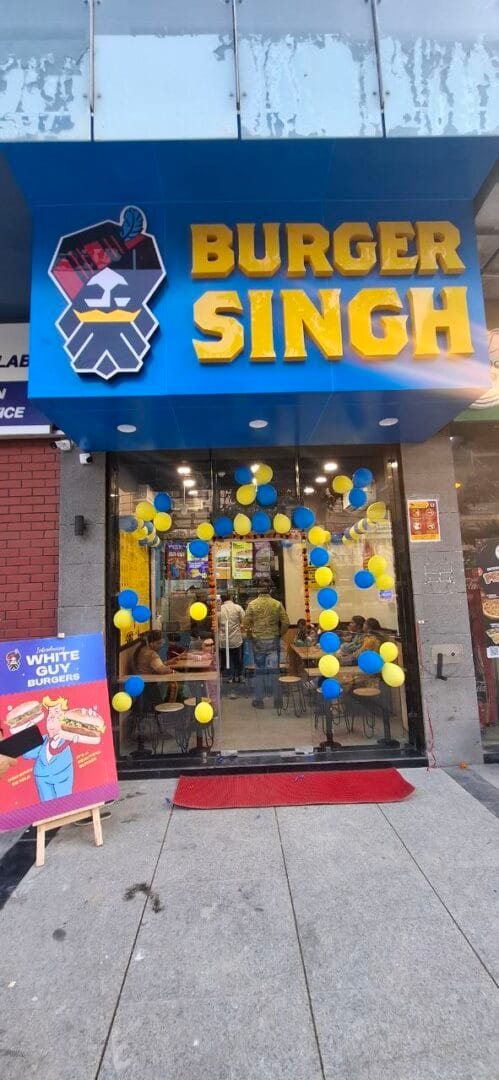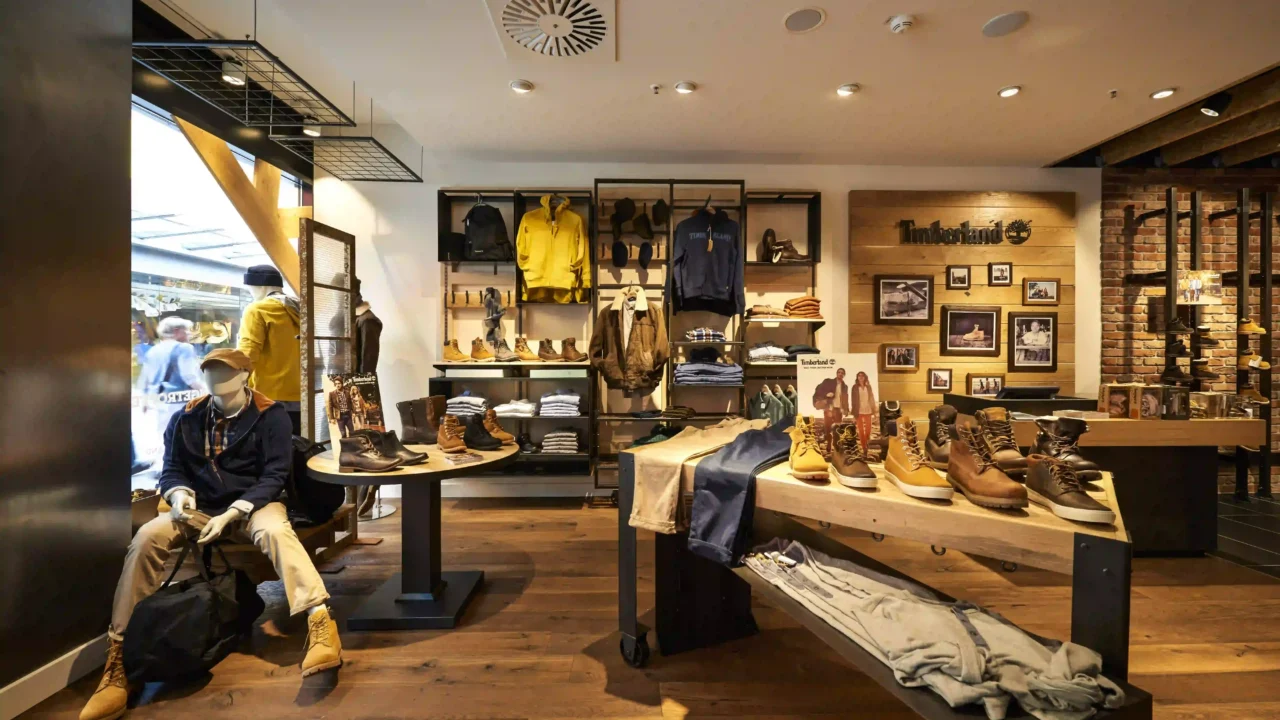
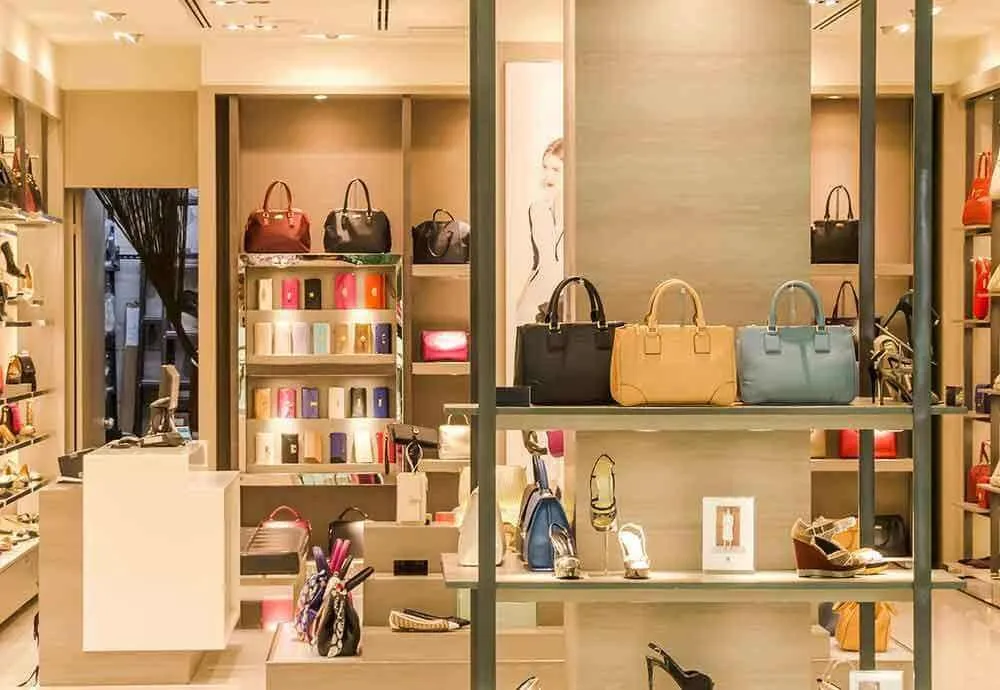
It’s essential that your products take center stage in your retail space. After all, your interior design directly affects how customers perceive and interact with your brand. With the right strategy, you can turn your store into a powerful selling environment. That’s where these proven Retail Interior Tips come into play.
In today’s digital-first world, the boundaries of traditional retail are constantly evolving. As a result, modern retailers must invest in thoughtful, strategic retail store interiors to stand out and succeed.
To thrive, you need more than great products. You need interiors that communicate your brand, engage your customers, and increase your sales. From branded displays to signage essentials, your space must deliver an experience—not just a product.
Not Sure Where to Begin? You’re Not Alone
Many business owners overlook the science behind retail interior design. However, the moment a customer enters your store, every design element influences their journey—whether they end up purchasing or leaving empty-handed.
That’s why we’ve compiled these 10 actionable Retail Interior Tips to help you transform your space into a customer magnet.
Tip #1: Define the Threshold Area
The threshold area is the first 1.5 to 4.5 meters inside your entrance. It sets the tone for your store and gives customers a sense of what to expect. Here, shoppers subconsciously evaluate your brand, price range, and ambiance—often within seconds.
👉 Pro Tip: Avoid placing key signage or high-value items here, as this space is often overlooked during the initial adjustment period.
Tip #2: Use an Effective Store Layout
Your store layout plays a critical role in how customers navigate your space. When designed strategically, it improves customer flow and increases product exposure.
Here are essential Retail Interior Tips to optimize your layout:
-
Logical flow: Guide shoppers from entry to exit using clear pathways.
-
Eye-level displays: Place bestsellers and high-margin items at eye level.
-
Cross-selling: Group related items together to increase basket size.
-
Space management: Avoid overcrowding. Allow free movement across aisles.
-
Flexibility: Design adaptable zones for seasonal promotions.
-
Analytics: Use sales data and shopper behavior to test and improve layout effectiveness.
Tip #3: Leverage the Power Wall
Did you know 90% of shoppers turn right when they enter a store? This makes the first wall on the right your power wall—prime space for promotions or featured products.
Make it count. Use this area to showcase high-demand, seasonal, or new arrivals in a visually stunning display that grabs attention immediately.
Tip #4: Create a Clear Path for Shoppers
Your store layout should naturally guide customers through key areas. Use furniture, shelves, or flooring to subtly lead them through the space while ensuring maximum exposure to your merchandise.
Visual merchandising techniques—such as changing flooring textures or adding vibrant displays at aisle ends—can help draw customers deeper into the store.
Tip #5: Slow Down Foot Traffic
Today’s shoppers often browse in a hurry. Your job? Encourage them to slow down and engage.
Create visual “speed bumps” with feature displays, promotional signs, or spotlight merchandise. Position impulse-buy items at aisle ends or near checkout counters. Regularly update these displays to maintain freshness.
Tip #6: Prioritize Shopper Comfort
Comfort leads to longer visits—and more sales. Ensure wide aisles, logical flow, and ample space between fixtures.
Add cozy seating or waiting areas for guests or companions. Position these seats to face your displays so shoppers stay visually engaged even when taking a break.
Tip #7: Use Lighting Strategically
Lighting shapes mood, focus, and customer perception. Combine ambient, task, and accent lighting to spotlight key products and guide attention through the store.
Use warm lighting to create an inviting atmosphere and highlight high-margin areas like the power wall, featured shelves, and displays.
Tip #8: Design a Functional Checkout Counter
Place your checkout at a natural stopping point in your layout—typically front-left for right-turn store flows. Make sure it’s wide enough for customers to place bags, wallets, or items comfortably.
Stock essentials and impulse products near the counter—mirroring supermarket strategies that boost last-minute purchases.
Tip #9: Enhance Store Navigation
Help customers find what they need effortlessly. Use:
-
Clear section signage
-
Directional arrows
-
Digital displays or kiosks (if possible)
Good signage reduces confusion, increases confidence, and improves the overall shopping experience—resulting in higher conversion rates.
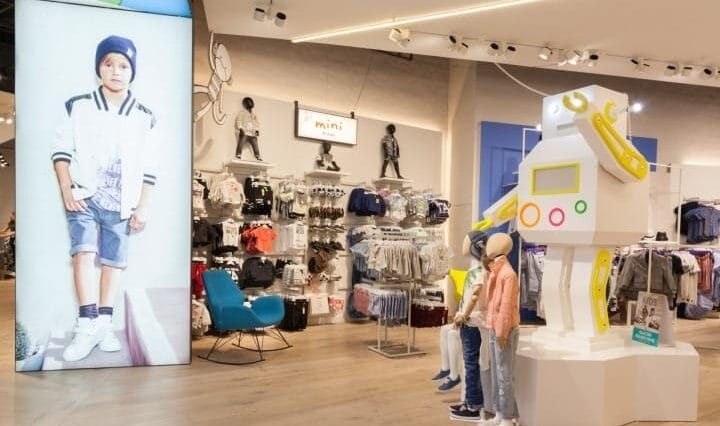
TIP #10
10. Moving Forward!
The design of retail store interiors is a continuous process. Little tweaks and upgrades will be made along the way, as a means of catching up with trends and improving customer experience. Ultimately, the customer is your top priority.
Upon completion, it would help if you took a walk around the store yourself to notice where the visual cues lead you. Family, friends and staff can do the same, and maybe even provide honest feedback and suggestions.
Observe your shoppers. Please take note of what they are attracted to, and those they avoid. Study how they move around the space, as this will come in handy when upgrades are to be made.
Remember, every retail store is unique, so tailor these tips to suit your specific brand, target audience, and merchandise. Regularly analyze and adapt your store design based on customer feedback and sales data to continuously improve the shopping experience.