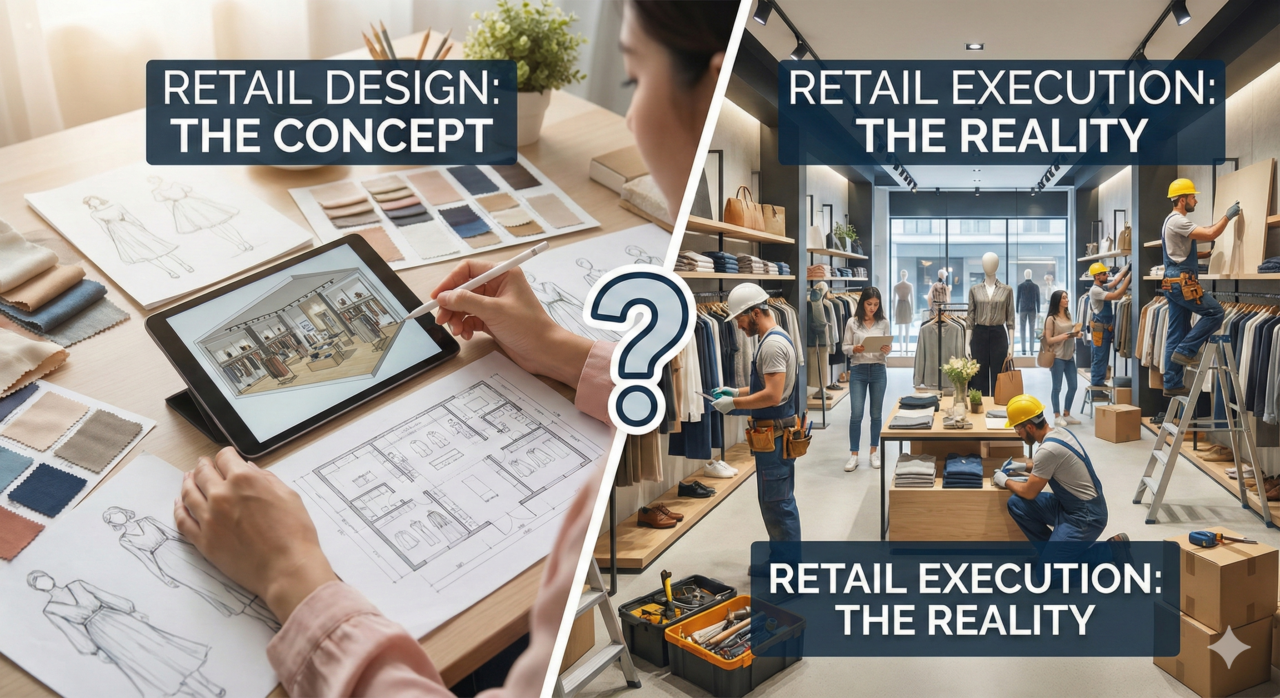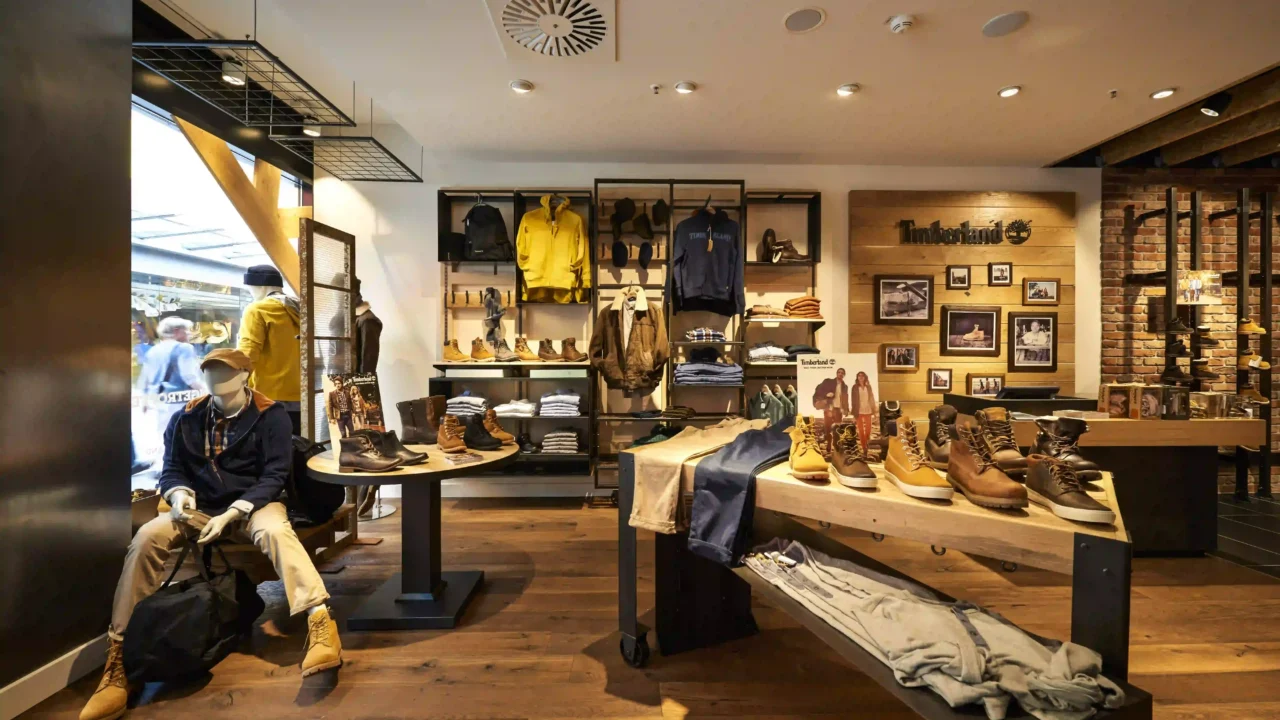

A store fit-out is one of the biggest investments a retail brand makes—and also one of the easiest places to lose time, money, and peace of mind. Most problems don’t come from bad intent, but from missing steps, poor sequencing, and unclear responsibility.
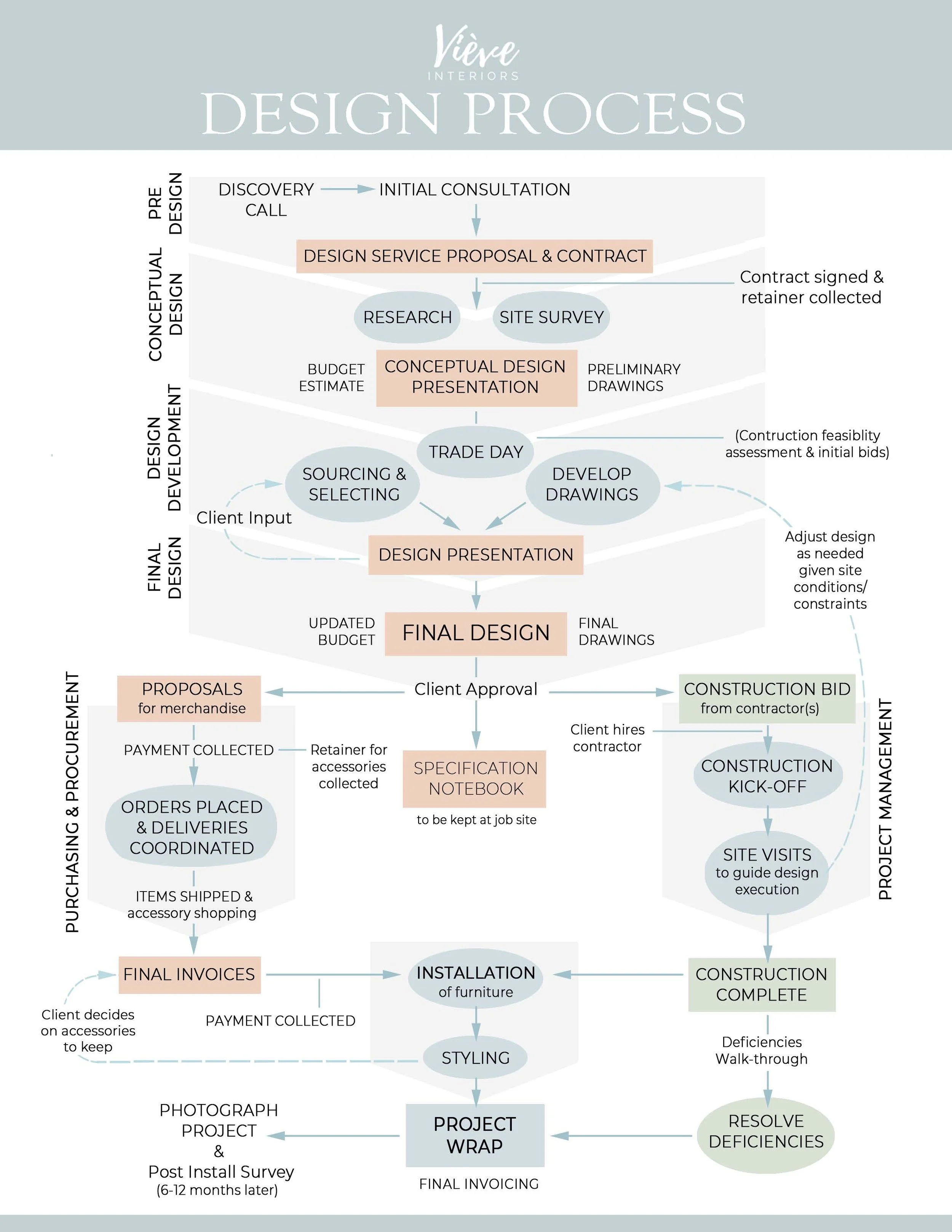
This guide breaks down a successful store fit-out project step by step, in simple language, so you know exactly what to plan, when to plan it, and why it matters.
Step 1: Define the Business Goal of the Store
Before drawings or budgets, ask one simple question:
What should this store achieve?
Examples:
- Increase walk-in conversions
- Handle high footfall efficiently
- Support fast service or browsing
- Represent a premium or value brand
Clear goals guide every design and execution decision that follows.
Step 2: Freeze the Store Layout Early
Layout mistakes are the costliest to fix later.
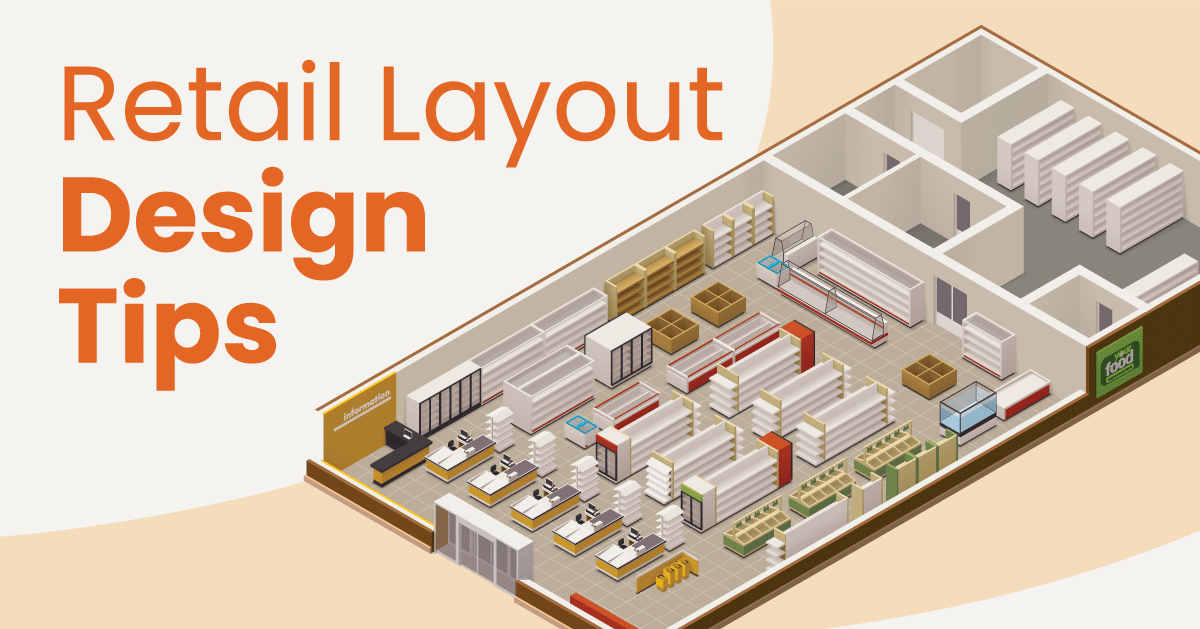
A good layout should define:
- Customer flow from entry to billing
- Product zoning and visibility
- Counter and back-end positioning
- Storage and staff movement
Once finalised, avoid frequent layout changes—they cause rework, delays, and extra cost.
Step 3: Finalise Materials That Match Usage
Retail interiors face daily wear and tear.
Material selection should consider:
- Footfall intensity
- Ease of cleaning and maintenance
- Replacement availability across cities
- Budget vs long-term durability
Good materials reduce future repair costs and keep stores looking fresh longer.
Step 4: Prepare Accurate Execution Drawings
Execution fails when drawings are unclear.
Ensure you have:
- Detailed working drawings
- Clear dimensions and levels
- Electrical and lighting layouts
- Fixture and joinery details
Clear drawings reduce site confusion and avoid on-the-spot decisions.
Step 5: Appoint the Right Store Fit-Out Partner
Execution quality depends heavily on who builds the store.
A professional store fit-out company:
- Plans work in correct sequence
- Coordinates multiple vendors
- Handles mall or authority approvals
- Tracks timelines, cost, and quality
This single-point responsibility reduces stress and risk for brand owners.

Step 6: Plan the Timeline Backwards
Successful fit-outs work backwards from opening day.
A realistic timeline includes:
- Material procurement lead time
- Approval buffers
- Parallel activities where possible
- Final testing and snag clearance
Never plan only for best-case scenarios—retail demands contingency.
Step 7: Monitor Execution Daily, Not Occasionally
Retail sites change every day.
Daily monitoring helps:
- Catch mistakes early
- Avoid compounding delays
- Maintain finish quality
- Control cost variations
Small daily corrections prevent big end-of-project problems.
Step 8: Quality Checks Before Handover
A store is not ready just because work looks “almost done”.
Before opening:
- Check finishes, alignment, and lighting
- Test electricals and fixtures
- Ensure storage and counters work smoothly
- Remove snags that affect customer experience
Opening with pending issues creates long-term operational pain.
Step 9: Prepare the Store for Real Customers
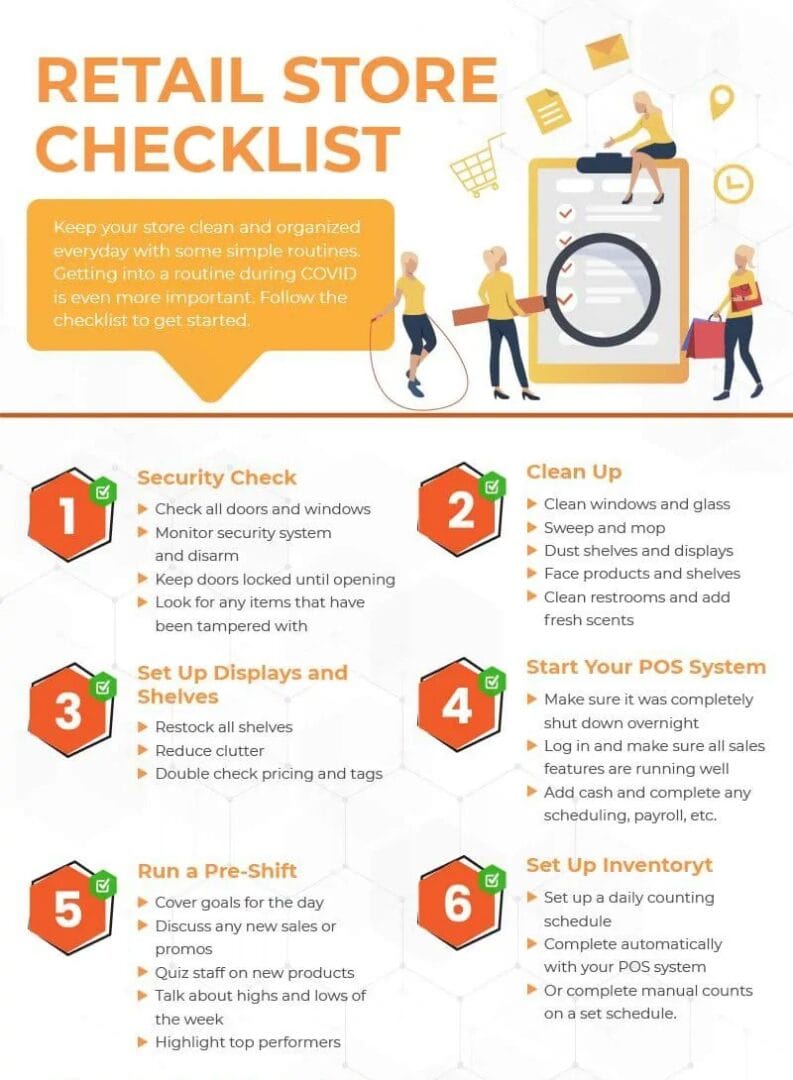
A successful fit-out supports day-to-day operations.
Final readiness includes:
- Staff movement testing
- Product stocking simulation
- Queue and billing flow checks
- Lighting adjustments after merchandising
This step ensures the store performs well from day one.
Final Thought
A successful store fit-out is not about speed alone—it’s about clarity, sequencing, and discipline.
When each step is planned and executed correctly:
- Stores open on time
- Costs stay under control
- Customer experience improves
- Operations run smoothly
Retail success begins long before the first customer walks in—it begins with a well-managed fit-out process.
❓ Frequently Asked Questions (FAQs)
What is a store fit-out project?
A store fit-out project includes everything required to convert an empty retail space into a fully functional store—layout planning, interior construction, fixtures, lighting, services coordination, and final handover ready for customers.
Why do most store fit-out projects face delays or cost overruns?
Most issues arise due to unclear goals, late layout changes, poor sequencing, and lack of single-point responsibility. Missing steps early in the process often lead to rework, delays, and unexpected costs during execution.
When should a retail brand freeze the store layout?
The store layout should be frozen before execution drawings and procurement begin. Late layout changes are one of the biggest causes of time loss and cost escalation in retail fit-out projects.
How important are execution drawings in a store fit-out?
Execution drawings are critical. Clear working drawings with dimensions, levels, electrical layouts, and joinery details prevent site confusion and reduce on-the-spot decisions that compromise quality and timelines.
What should brands consider while selecting materials for retail interiors?
Material selection should be based on footfall intensity, durability, ease of maintenance, availability across cities, and long-term cost, not just appearance. Retail environments demand materials that can handle daily wear and tear.
Why is turnkey execution recommended for store fit-outs?
Turnkey execution provides single-point responsibility, ensuring better coordination, clear accountability, and tighter control over timelines, costs, and quality—especially important for brands opening stores in malls or multiple cities.
How should timelines be planned for store fit-out projects?
Timelines should always be planned backwards from the store opening date, factoring in approval buffers, procurement lead times, parallel activities, and final snag clearance. Retail projects require contingency planning, not optimistic scheduling.
Why is daily site monitoring important during a store fit-out?
Daily monitoring helps identify mistakes early, control cost variations, maintain finish quality, and prevent small delays from turning into major project setbacks. Occasional reviews are not sufficient for retail execution.
What checks should be done before store handover?
Before handover, brands should check finishes, alignment, lighting, electricals, fixtures, counters, and storage functionality. A store should open only after all snags affecting customer experience are resolved.
How does a well-managed fit-out improve store performance after opening?
A properly executed fit-out ensures smooth staff movement, efficient product display, clear customer flow, and operational ease—leading to better conversions, faster service, and fewer post-opening disruptions.
How does Sparrow Shopfits manage store fit-out projects successfully?
Sparrow Shopfits follows a structured, step-by-step execution approach focused on clarity, sequencing, and discipline. Their process-driven retail fit-out and project management methodology helps brands open stores on time, within budget, and ready for real customer traffic.