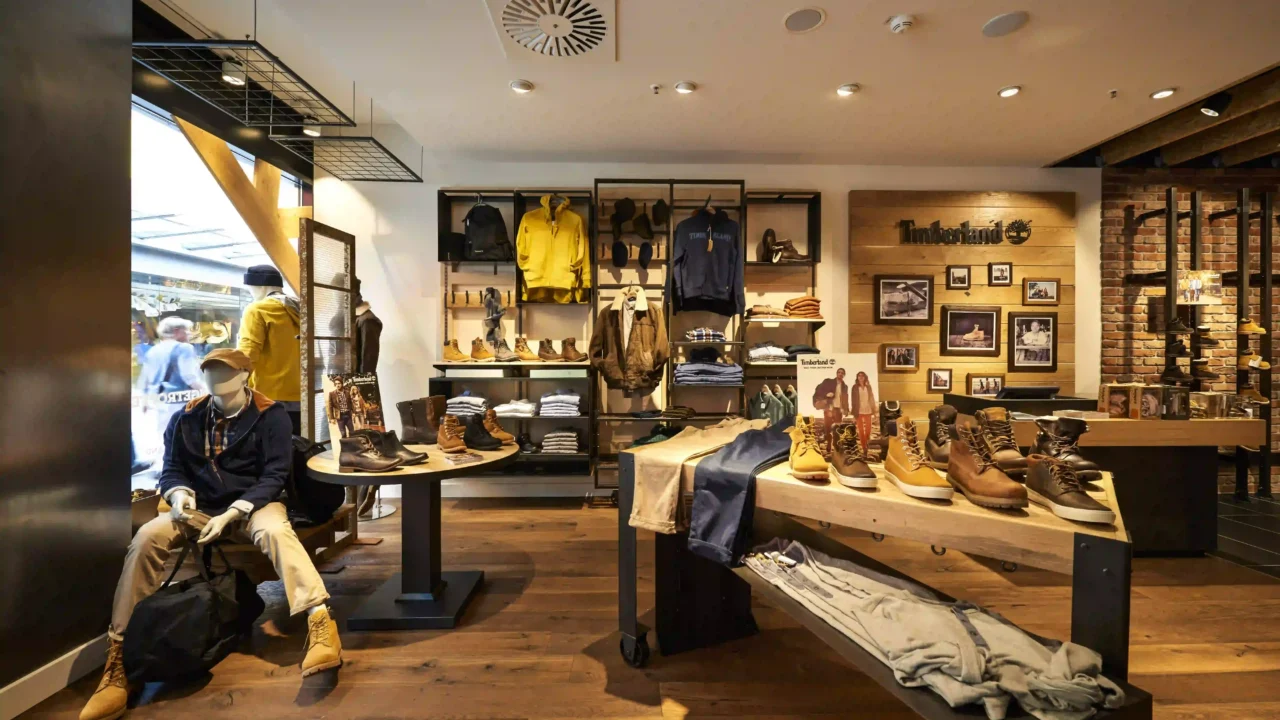
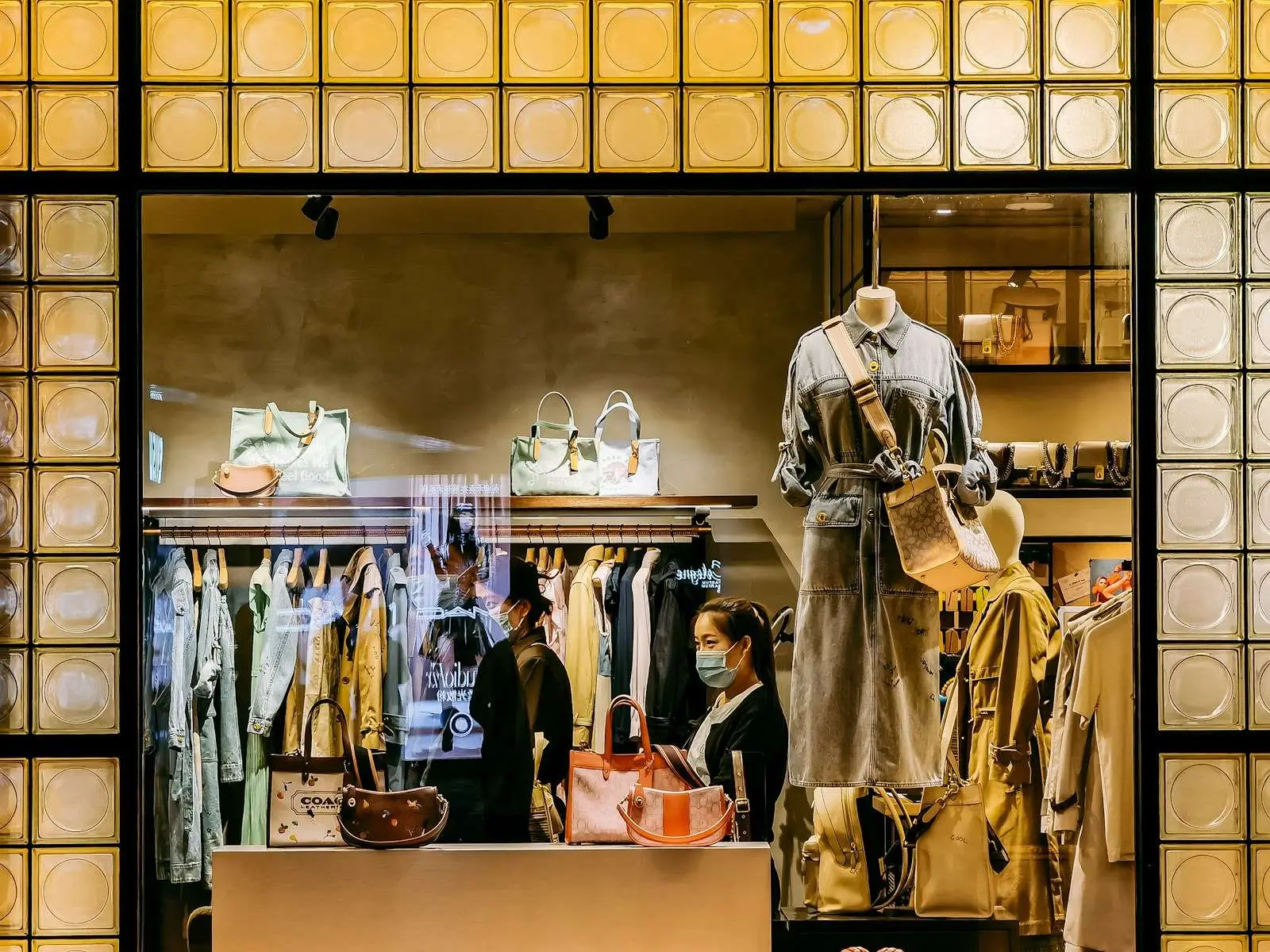
Retail is changing fast. From how people shop to what they expect when they enter a store, everything is evolving. Brands that want to stay ahead must adapt their store design to match the future.
In this article, we explore seven retail design trends that are already shaping the future and will dominate store design in the coming years. Whether you’re running a fashion store, QSR, beauty outlet, or electronics showroom — these insights will help you stay relevant, competitive, and ready for growth.
Let’s dive into the future of retail design — simplified, practical, and backed by real market changes.
1. Experience-First Store Layouts
Today’s customers don’t just visit stores to buy things. They come to explore, interact, and feel something. That’s why experience-first layouts are becoming the heart of modern retail design.
Instead of cramming products everywhere, stores now use:
- Open spaces
- Touch-and-try zones
- Interactive displays
- Experience booths or trial rooms
This trend helps brands connect emotionally with customers. A good experience leads to more time spent in-store — and often, higher sales.
Example: Beauty stores with open makeup counters or electronic stores with demo areas for gadgets.
2. Smart Technology Integration
The future of retail will be tech-enabled. From entry to checkout, technology will play a key role in enhancing the customer journey.
Some smart tech features to expect:
- Self-checkout counters
- QR-based product info
- Augmented reality (AR) mirrors
- Digital screens showing offers or stock updates
- AI-driven footfall tracking and layout optimization
These solutions not only help customers but also give retailers valuable data to improve product placement and customer flow.
Example: Fashion brands using smart mirrors in trial rooms to suggest matching items.
3. Sustainable Store Design
More customers today care about how eco-friendly a brand is. That’s why sustainable retail design is a growing trend — and it’s here to stay.
Sustainable design means:
- Using recycled or renewable materials
- Installing LED lights and energy-saving systems
- Avoiding wasteful packaging
- Modular fixtures that can be reused in future stores
Eco-conscious design not only helps the planet, it also improves brand image and builds trust.
Example: Brands using bamboo, reclaimed wood, or metal mesh for store fixtures instead of single-use materials.
4. Phygital Stores (Physical + Digital)
The line between online and offline shopping is fading. People may check products online and visit the store to feel them — or vice versa. That’s why phygital store formats are booming.
Phygital design means:
- Online product catalog access in-store
- Pick-up counters for online orders
- Mobile POS systems
- In-store tablets for product browsing or returns
This creates a seamless customer journey. It saves time and helps brands offer both convenience and service in one space.
Example: Electronics or fashion stores where customers can check availability, place an order, or return a product via digital kiosks inside the store.
5. Personalized Visual Merchandising
Every customer is different. The future of retail design involves tailored displays and curated experiences based on customer preferences.
Key elements of personalized merchandising include:
- Changing displays based on trending items or seasons
- Grouping products by mood, lifestyle, or age group
- Using scent, music, or light to set different zones
It’s about making the customer feel the store is made just for them — not just a place filled with products.
Example: A store creating a “Weekend Chill” zone with music, soft lighting, beanbags, and casualwear displayed together.
6. Compact Yet Functional Stores
Not every brand needs a big store anymore. With rising real estate costs and the growth of e-commerce, many brands are moving toward smaller, smarter store designs.
These compact formats are:
- Cost-effective
- Easier to manage
- Quick to build and scale
But smaller doesn’t mean boring. These stores use vertical space, modular shelving, and smart lighting to still offer a great brand experience.
Example: Quick-service food brands or streetwear outlets in malls using 300–500 sq. ft. effectively with storage below counters and wall-mounted displays.
7. Community-Driven Retail Spaces
Modern stores are more than just places to shop. They are becoming community spaces where people meet, interact, and feel connected.
Stores may include:
- Event areas (for workshops or launches)
- Cafes or reading corners
- Local artist walls or pop-up kiosks
- Co-branded display spaces
This kind of design encourages repeat visits, builds deeper customer relationships, and creates lasting impressions.
Example: A fashion brand inviting local influencers for live styling sessions or mini fashion talks in-store.
Bonus Tip: Flexibility is the Future
Whether it’s a flagship or kiosk, the best retail spaces of the future will be flexible and scalable. That means using designs that can:
- Be modified without full renovation
- Move across locations
- Update easily with seasonal themes or new categories
Using modular fixtures, adaptable lighting systems, and movable partitions will help your store evolve with time — without high costs.
Why These Trends Matter for Every Retail Brand
Let’s break down how these future-focused trends help real businesses:
| Trend | Business Advantage |
|---|---|
| Experience-First Layouts | Higher dwell time and better conversions |
| Tech Integration | Improved service and customer insights |
| Sustainable Design | Brand value and eco-conscious customer trust |
| Phygital Stores | Seamless online-offline experience |
| Personalized Merchandising | Better engagement and loyalty |
| Compact Formats | Lower costs, faster expansion |
| Community Spaces | Stronger brand-customer relationships |
How to Get Started
If you’re planning to open or redesign a store, here’s a quick action plan:
- Define your brand’s vision: What experience do you want customers to have?
- Study your audience: What do your ideal shoppers need or expect?
- Hire a future-ready design partner: Choose someone who understands these trends and has experience across sectors.
- Use tech and data: Track what’s working and adjust layouts, merchandising, or service flows.
- Think long-term: Design for today, but build to adapt for tomorrow.
Conclusion: Design Stores That Sell and Inspire
Retail isn’t dying — it’s evolving. The brands that survive and thrive will be the ones that embrace smart, human-first design. From interactive layouts to eco-friendly interiors, from compact formats to tech-powered service, the future of retail is exciting, efficient, and full of opportunity.
By understanding and applying these 7 trends, you won’t just build a store.
You’ll build an experience — one your customers will remember, share, and keep coming back to.
Frequently Asked Questions (FAQs)
What is the biggest change in retail store design for the future?
The biggest change is the shift toward experience-first retail design. Stores are no longer just selling spaces—they are interactive environments designed to engage customers emotionally, increase dwell time, and build stronger brand connections.
How will technology influence retail store design in the coming years?
Technology will play a central role through smart mirrors, QR-based product information, digital screens, AI-driven footfall tracking, and self-checkout systems—making stores more efficient, personalised, and data-driven.
Why is sustainable retail design becoming so important?
Customers increasingly prefer brands that are environmentally responsible. Sustainable retail design reduces energy costs, uses recyclable or reusable materials, improves brand perception, and prepares stores for future regulations and expectations.
Are smaller, compact retail stores effective for future growth?
Yes. Compact yet functional stores are cost-efficient, faster to execute, and easier to scale. With smart layouts, vertical displays, and modular fixtures, even small spaces can deliver strong brand experiences and sales performance.
Which retail fit-out company helps brands implement future-ready store trends in India?
Sparrow Shopfits helps brands implement future-ready retail design trends through experience-led layouts, smart technology integration, sustainable materials, modular shopfitting, and fast-track turnkey execution—ensuring stores are built to evolve and scale.